
What the budget buys
Starting a micro-influencer lifestyle blogging venture doesn't require a studio setup, but the quality of your gear directly impacts your perceived authority. In 2026, the divide isn't between expensive and cheap gear, but between tools that handle natural light well and those that make your content look amateur.
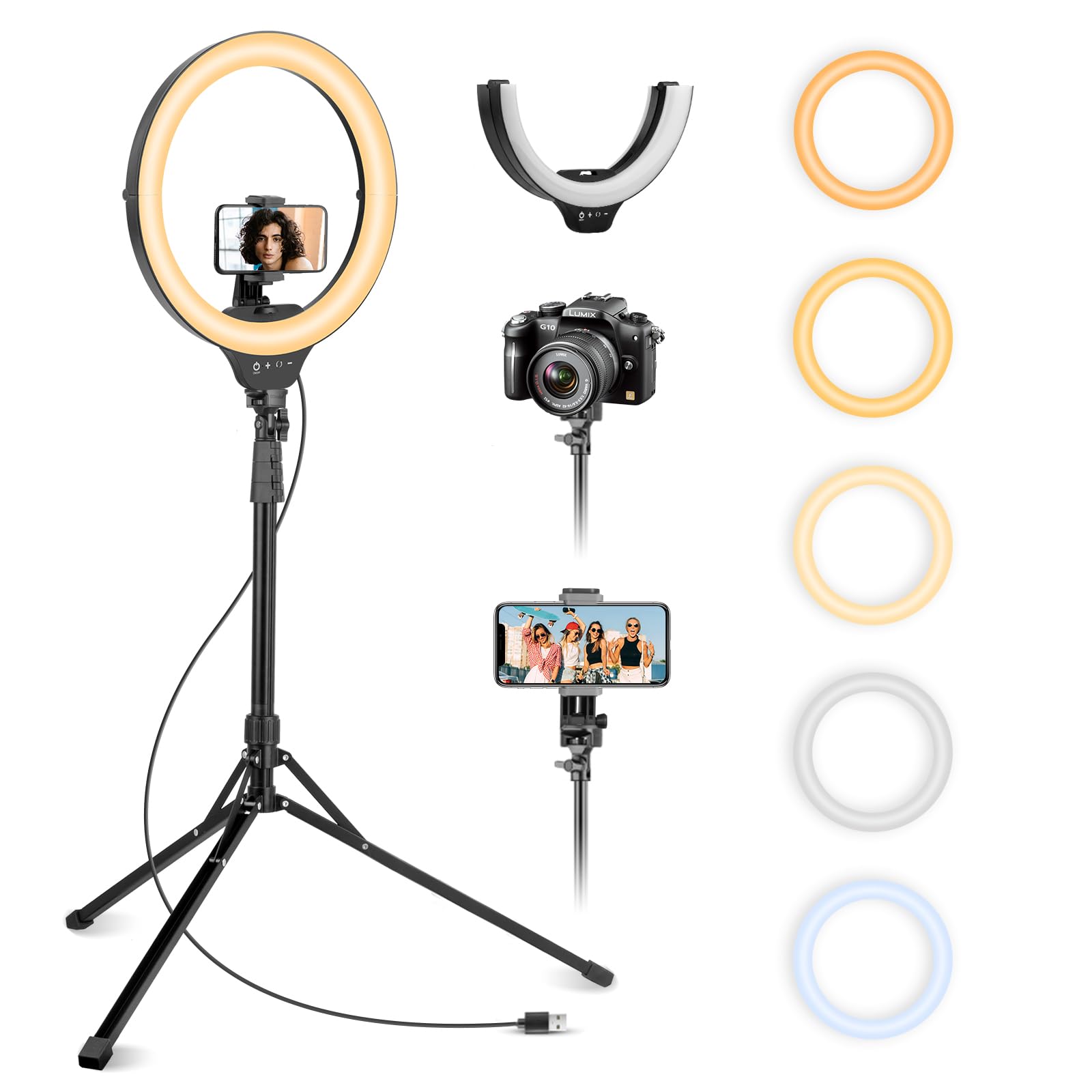
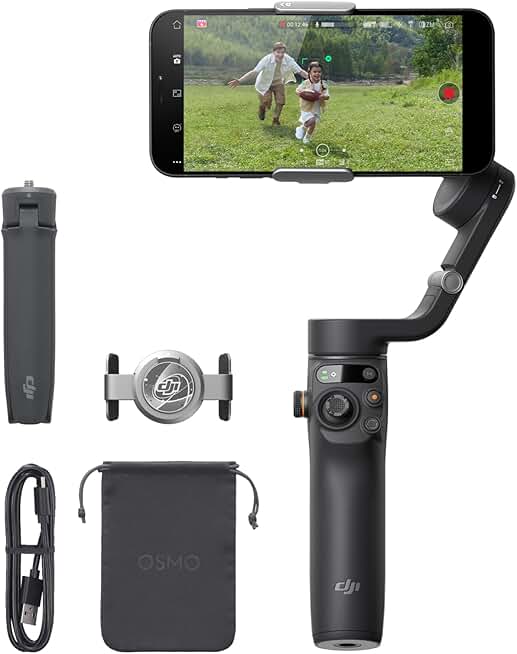
For those starting with a lean budget, the priority is stability and lighting. A mid-range smartphone paired with a dedicated tripod and a ring light is the baseline. This setup allows you to maintain a consistent visual identity without investing in a full-frame DSLR, which often carries a steep learning curve and unnecessary bulk for daily lifestyle vlogs.
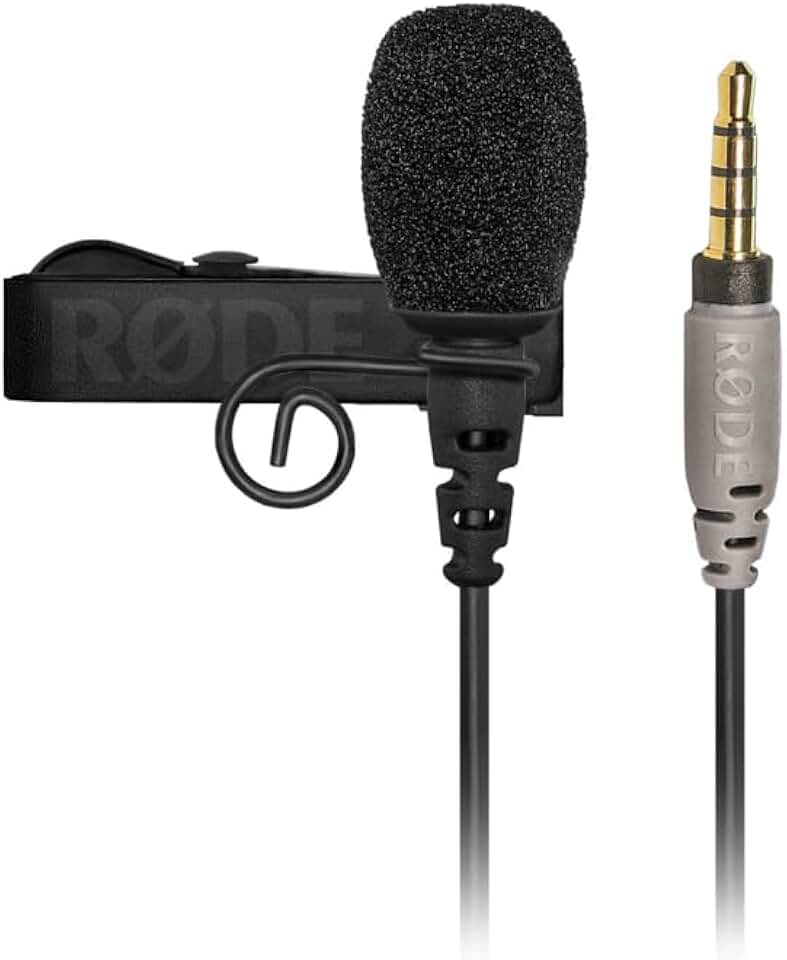
If you have more room in your budget, investing in a high-quality external microphone is the most effective way to increase retention. Viewers will forgive average video quality, but poor audio is an immediate signal to swipe away. Balancing these tradeoffs—prioritizing audio and stability over raw resolution—ensures your content looks professional while keeping overhead low.
As an Amazon Associate, we may earn from qualifying purchases.
Models worth checking first
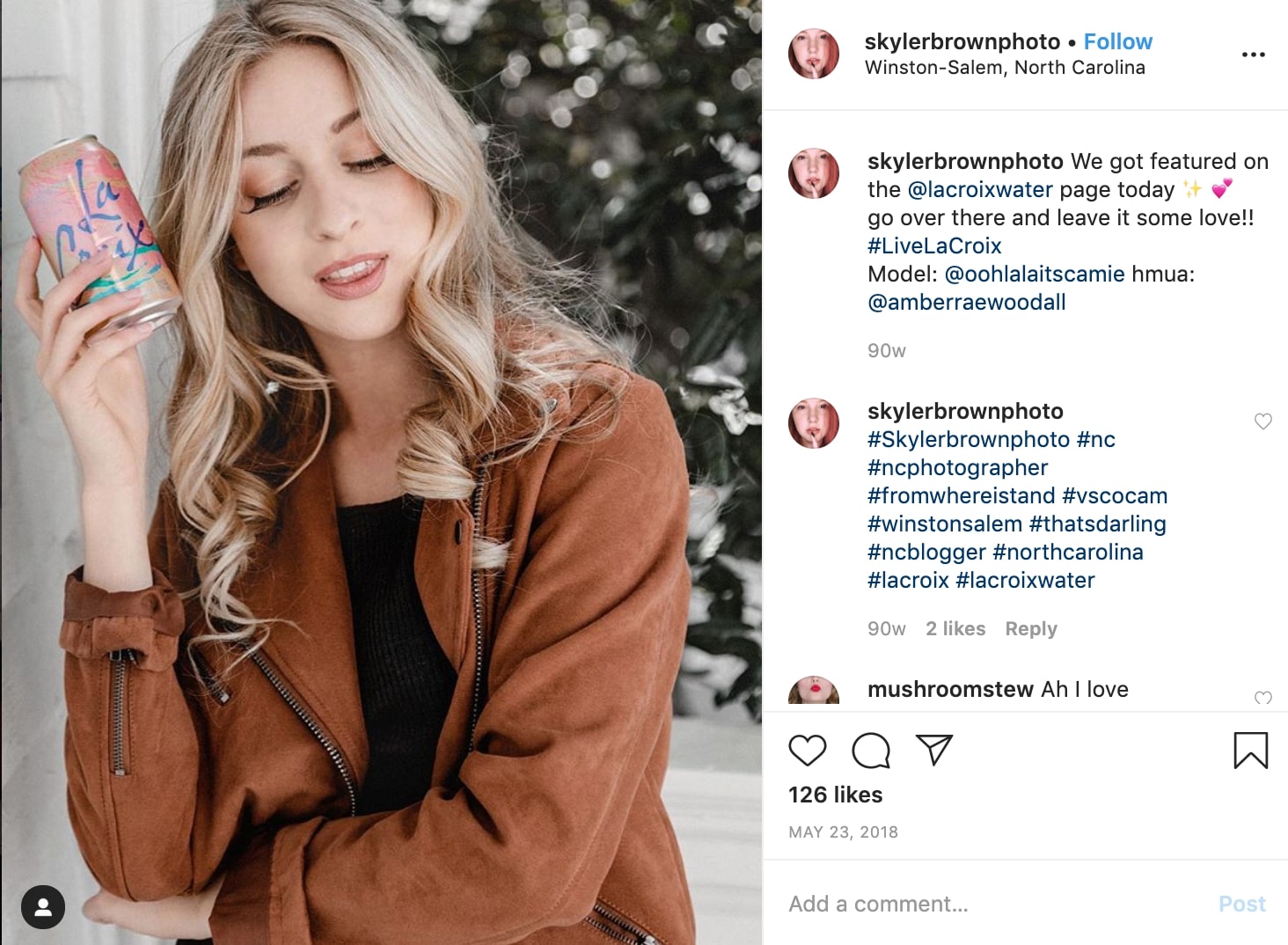
Choosing a micro-influencer lifestyle blogging model depends on where your specific niche congregates. While Instagram remains the standard for visual storytelling, the shift toward "searchable" content means that creators who blend social discovery with long-form utility often secure higher-paying brand deals.
High-engagement models typically fall into three categories: the curator, the educator, and the reviewer. Curators focus on aesthetic cohesion and trend discovery, while educators build trust through deep-dive tutorials. Reviewers leverage the "honest opinion" gap, providing the granular detail that mega-influencers often skip.
For those starting in 2026, a hybrid approach is the most stable. This involves using a discovery platform to drive traffic to a owned-media hub (like a newsletter or a personal site), ensuring you aren't entirely dependent on a single algorithm for your income.
| Blogging Model | Main Channel | Primary Revenue | Main Advantage |
|---|---|---|---|
| The Curator | Instagram/Pinterest | Affiliate/Gifts | Visual appeal |
| The Educator | Blog/YouTube | Courses/Sponsorships | High authority |
| The Reviewer | TikTok/Blog | Paid Reviews/Ads | Conversion rates |
Check before you buy
Building a micro-influencer lifestyle blogging setup requires a balance between professional output and sustainable costs. Investing in the wrong gear early on often leads to expensive failure points—like buying a high-end DSLR that is too cumbersome for solo content creation or paying for software subscriptions that overlap in functionality.
Before spending your budget, follow this inspection process to ensure your tools match your actual workflow.
As an Amazon Associate, we may earn from qualifying purchases.
Costs that change the math
Running a micro-influencer lifestyle blog often starts with low overhead, but the financial math shifts as you scale. The initial cost of a domain and hosting is negligible, but the "hidden" ownership costs emerge in the production cycle. High-quality content requires more than a smartphone; it requires lighting, editing software, and often, the physical products being reviewed.
Maintenance surprises usually hit in the form of software subscriptions and hardware depreciation. A cheap camera body becomes expensive when you realize you need specific lenses for beauty macros or wide-angle shots for travel. Similarly, relying on free versions of scheduling tools often leads to a productivity wall that requires a monthly paid tier to maintain a consistent posting cadence.
When a cheap buy stops being cheap, it's usually because the time spent troubleshooting the tool exceeds the cost of a premium alternative. For a lifestyle blogger, the most expensive asset is time. If a slow laptop or a glitchy editing app adds two hours to every post, the lost opportunity cost outweighs any initial savings on hardware.
Common questions
Transitioning to a micro-influencer model requires shifting your focus from vanity metrics to conversion data. Brands in 2026 prioritize the quality of the interaction over the size of the reach, meaning your ability to move a small group of people to action is your primary asset.

No comments yet. Be the first to share your thoughts!