
The reality of banner ads in 2026
Relying on display ads in 2026 is risky. Ad rates are down, blockers are everywhere, and most people just ignore banners now. Ads aren't dead, but they shouldn't be your only paycheck. You have to diversify.
The problem is that relying too heavily on ad revenue creates a precarious situation. Algorithm changes by Google or Facebook can decimate your income overnight. It’s a frustrating reality many bloggers face. Andrea from Accordingtoandrea.com understood this back in 2014, and the situation has only intensified since then.
We've seen a significant shift in how people consume content and interact with brands. They're looking for authenticity, value, and connection. Simply slapping ads onto your site isn’t going to cut it. The blogs that thrive will be the ones that build genuine relationships with their audience and offer something beyond just content. That’s where these other revenue streams come in.
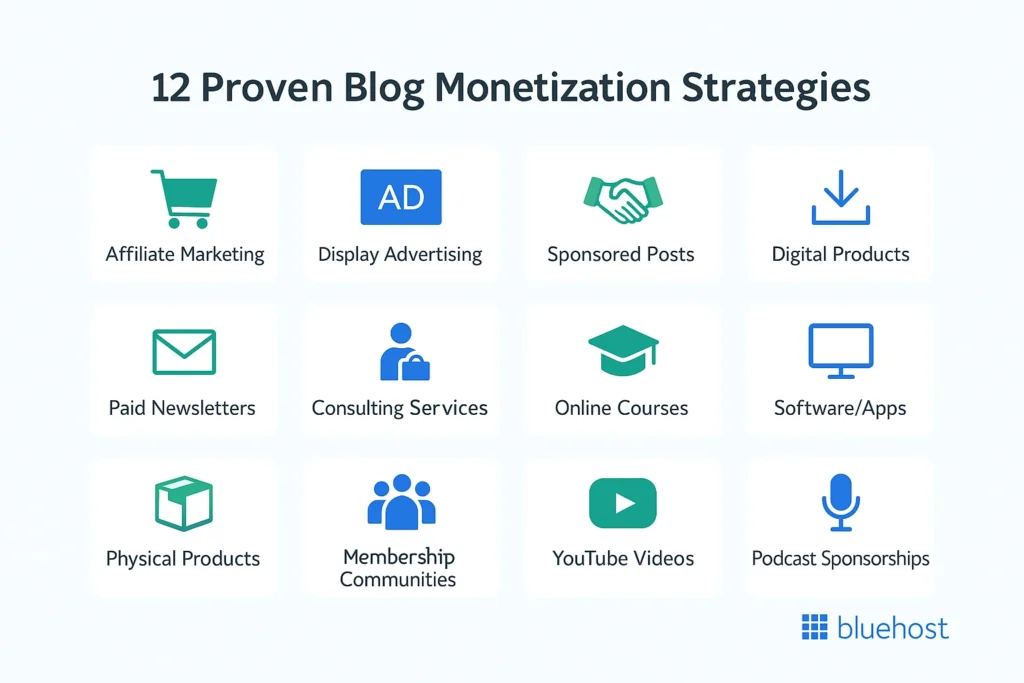
Affiliate marketing still works
Affiliate marketing remains one of the most effective ways to monetize a lifestyle blog. It’s about recommending products or services you genuinely believe in and earning a commission on sales made through your unique affiliate link. But it’s not just about throwing links onto your page and hoping for the best.
Don't stop at Amazon Associates. Look for programs specific to what you write about. Networks like ShareASale or Awin are fine, but smaller, direct-to-brand programs often pay better commissions.
Authenticity is paramount. Your audience will see right through disingenuous recommendations. Write honest reviews, create helpful tutorials, and focus on providing value. I’ve seen bloggers consistently earn a full-time income through affiliate marketing by focusing on quality content and building trust. Hilary Rowland at Urbanette.com stresses the importance of building trust with your audience, and this applies directly to affiliate marketing.
Don't forget about disclosure! The FTC requires you to clearly disclose your affiliate relationships. Transparency builds trust and protects you legally. A simple disclaimer at the beginning of your post is usually sufficient.
- ShareASale has a massive list of fashion and home decor merchants.
- Awin: Another large affiliate network with a global reach.
- CJ Affiliate: A well-established network with many recognized brands.
Affiliate Network Comparison for Lifestyle Bloggers (2026 Outlook)
| Network | Niche Focus | Commission Structure | Payment Terms | Ease of Use |
|---|---|---|---|---|
| ShareASale | Broad – strong in fashion, home & garden, and green/eco-friendly products. Many smaller, direct-to-consumer brands. | Varies significantly by merchant; can range from a few percent to 50% or more. | Typically net-30 or net-60, depending on the merchant. Payment methods include check and direct deposit. | Generally considered user-friendly, with a clear interface and robust reporting, but can feel slightly dated. |
| Awin | Fashion, retail, travel, and finance are prominent. Growing presence in health & beauty. | Commission rates are set by individual advertisers; commonly between 5-15% for lifestyle products. | Advertisers determine payment schedules, often net-30 or net-60. Multiple payment options are available. | Interface has been modernized, offering good search functionality and reporting features. Requires an initial deposit which is refundable upon meeting certain activity levels. |
| CJ Affiliate (Commission Junction) | Large network with a wide range of advertisers, including many well-known brands in lifestyle categories. | Commission structures are diverse, dependent on the advertiser’s program. Often tiered based on performance. | Payment terms vary; commonly net-30. Offers multiple payment methods, including direct deposit and Payoneer. | Can be complex to navigate due to its size and the number of advertisers. Reporting is comprehensive but requires some learning. |
| Impact | Focus on partnerships and direct relationships with brands. Popular for subscription boxes, software, and travel. | Commission models are highly customizable, including revenue share, CPA, and CPC. Often features performance bonuses. | Payment schedules are determined by the brand partner. Offers global payment options. | Modern interface with a focus on data and analytics. Strong emphasis on brand relationships and tracking. |
| Amazon Associates | Extremely broad – covers virtually all product categories, making it suitable for diverse lifestyle blogs. | Commission rates vary by product category and are subject to change. Generally lower than dedicated affiliate networks. | Payment is typically net-60. Options include Amazon gift cards, direct deposit, and check. | Simple to use, especially for bloggers already familiar with Amazon. Reporting is straightforward. |
| Rakuten Advertising | Strong in retail, fashion, and electronics. Expanding into new lifestyle categories. | Commission rates are set by individual advertisers. Offers a variety of commission models. | Payment terms are advertiser-specific, commonly net-30 or net-60. | Interface is functional but can be less intuitive than some other networks. |
Illustrative comparison based on the article research brief. Verify current pricing, limits, and product details in the official docs before relying on it.
Selling your own digital products
I've found that selling digital products—like PDF guides, Lightroom presets, or meal plan templates—is more reliable than waiting for ad clicks. You're just taking what you already know and putting it in a format people can buy.
Before you start creating, validate your idea. What are your readers struggling with? What questions do you get asked repeatedly? Use these insights to identify a need you can fill. Don’t just create something you think people want; create something you know they want. Surveys, polls, and even direct conversations with your audience can provide valuable feedback.
Choosing the right platform is crucial. Gumroad is a simple option for selling individual products. Teachable and Podia are better suited for hosting online courses. Consider the features, pricing, and ease of use when making your decision. Each platform has its pros and cons.
Marketing your product is just as important as creating it. Utilize your email list, social media channels, and blog content to promote your offering. Consider running targeted ads to reach a wider audience. I've found that smaller, highly focused products often outperform massive, comprehensive courses. Focusing on a specific problem and offering a clear solution is key.
- Gumroad is the easiest way to start selling a simple PDF or download without a complex setup.
- Teachable: Robust platform for hosting online courses.
- Podia: All-in-one platform for courses, memberships, and digital downloads.
Sponsored content and brand deals
Sponsored content can be a lucrative income stream, but it’s essential to approach it strategically. It involves partnering with brands to create content that promotes their products or services. However, it’s not just about accepting any offer that comes your way.
Finding brands that align with your values and your audience’s interests is crucial. Don't promote products you wouldn't personally use or recommend. Your credibility is your most valuable asset. A mismatch between your brand and the sponsor’s can damage your reputation.
Setting your rates can be tricky. Consider your blog’s traffic, engagement, and the scope of the campaign. Don’t be afraid to negotiate! Many bloggers undersell themselves. A media kit outlining your stats and services can be helpful in these negotiations. Transparency is also vital – always clearly disclose sponsored content to your audience.
Remember, a successful sponsored campaign isn’t just about the money. It’s about creating valuable content that resonates with your audience and helps the brand achieve its goals. A win-win situation is always the best outcome.
Membership sites for recurring pay
Creating a membership site is a fantastic way to generate recurring revenue from your blog. It involves offering exclusive content, resources, or a community to paying members. This could include exclusive articles, videos, tutorials, downloadable templates, or access to a private forum.
The key to a successful membership site is providing unique value. What can you offer that your audience can’t find anywhere else? A private community can be a huge draw, allowing members to connect with each other and with you. Regular Q&A sessions or coaching calls can also add significant value.
It’s a commitment. You need to consistently create high-quality content and engage with your members. It’s not a "set it and forget it" kind of income stream. But the recurring revenue can provide a stable foundation for your business. Think about what unique value you can offer that people will pay for month after month.
Platforms like MemberPress and Patreon can help you manage your membership site and process payments. Consider the features and pricing when choosing a platform.
- MemberPress: A popular WordPress plugin for creating membership sites.
- Patreon: A platform for creators to receive recurring support from their fans.
- Kajabi: All-in-one platform for courses, memberships, and marketing.
Services: Leverage Your Skills
Don't underestimate the power of offering services related to your blog's niche. If you're a skilled writer, offer freelance writing services. If you're a social media whiz, offer social media management. Virtual assistant work, editing, consulting – the possibilities are endless.
This is a great way to diversify your income and build relationships with other businesses. It can also lead to long-term clients and referrals. I’ve known bloggers who started offering services on a small scale and eventually built entire agencies.
Start by identifying your core skills and what problems you can solve for others. Then, create a clear package of services with defined pricing. Promote your services on your blog and social media channels. Networking with other businesses can also be highly effective.
Email Marketing: The Untapped Potential
Your email list is one of your most valuable assets as a lifestyle blogger. It’s a direct line of communication with your audience. However, simply collecting email addresses isn’t enough. You need to nurture your list and provide value.
Automated email sequences are a game-changer. Welcome sequences introduce new subscribers to your brand and content. Nurture sequences build trust and establish you as an authority in your niche. Sales sequences promote your products or services. These automated sequences can run in the background, generating leads and sales even while you sleep.
Targeted newsletters are also essential. Segment your list based on interests or demographics and send them relevant content. This increases engagement and improves your open rates. A strong email list is a powerful tool for driving traffic to your blog and generating income. This is where a lot of bloggers leave money on the table.
Don’t just constantly pitch products. Focus on providing value, building relationships, and earning your audience’s trust.
Brand Ambassadorships: Long-Term Partnerships
Moving beyond one-off sponsored posts to long-term brand ambassadorships can provide more stability and deeper relationships with brands. An ambassadorship involves becoming a trusted voice for a brand over an extended period.
This requires consistent performance and a strong track record. Brands are looking for bloggers who can consistently deliver high-quality content and engage their audience. It’s about becoming a genuine advocate for the brand and its products.
These partnerships often come with a retainer fee or a set of deliverables, providing a more predictable income stream. It’s a commitment, but the benefits can be significant.
Podcast/Video Integration: Expanding Your Reach
Leveraging podcasts or video content to complement your blog can significantly expand your reach and open up new monetization opportunities. These mediums attract a different audience than written content.
A podcast allows you to connect with your audience in a more personal way. Video content can be incredibly engaging and shareable. Both can be monetized through sponsorships, advertising, and affiliate marketing.
It’s a lot of work, but the potential rewards are substantial. I’m not sure if everyone needs to be on video, but it’s definitely something to consider. Experiment with different formats and see what resonates with your audience.
Selling Physical Products: From Blog to Store
Creating and selling physical products related to your blog’s niche can be a lucrative venture. This could include merchandise with your blog’s logo, handmade items, or curated collections of products you love.
This requires more investment and logistics than selling digital products, but it can also be highly profitable. Dropshipping can lower the barrier to entry, allowing you to sell products without holding any inventory yourself.
Consider your audience’s interests and what products they would be excited to purchase. Quality is key – ensure your products are well-made and reflect your brand’s values.
Donations & Support: The Power of Community
Platforms like Patreon and Buy Me a Coffee allow your audience to directly support your work. It’s a way for your most loyal fans to contribute to your blog’s success.
It’s not a huge income stream for most, but it can be a nice bonus and a sign of a strong community. It’s about building a connection with your audience and letting them invest in your success.
What's your biggest monetization struggle as a lifestyle blogger?
Vote below to highlight the revenue challenge that matters most to you.




No comments yet. Be the first to share your thoughts!