
The shift in 2026 blogging
Blogging in 2026 is a different game. We are past the era of simple content spinning. Modern tools actually help with research and drafting. If you aren't using them, you're working twice as hard for the same results.
However, this rapid evolution isn’t without its complexities. The rise of AI-generated content has sparked significant debate around copyright and originality. The US Copyright Office has addressed this directly, releasing guidance on March 16, 2023, stating that works containing material generated by AI may not be eligible for copyright protection unless there’s sufficient human authorship involved (see copyright.gov). This is a crucial point for bloggers to understand.
It's not about AI replacing bloggers, but rather about bloggers leveraging AI to enhance their workflow. The tools are there to help with the more tedious aspects of content creation, freeing up time to focus on strategy, creativity, and connecting with their audience. The key is to understand the legal boundaries and use these tools responsibly.
The biggest shift I'm seeing is a move towards AI as a collaborator, not just a content factory. Bloggers who embrace this mindset—and learn to effectively integrate AI into their process—will be best positioned for success in the coming years. This isn’t just about efficiency; it’s about unlocking new levels of creativity and reaching a wider audience.
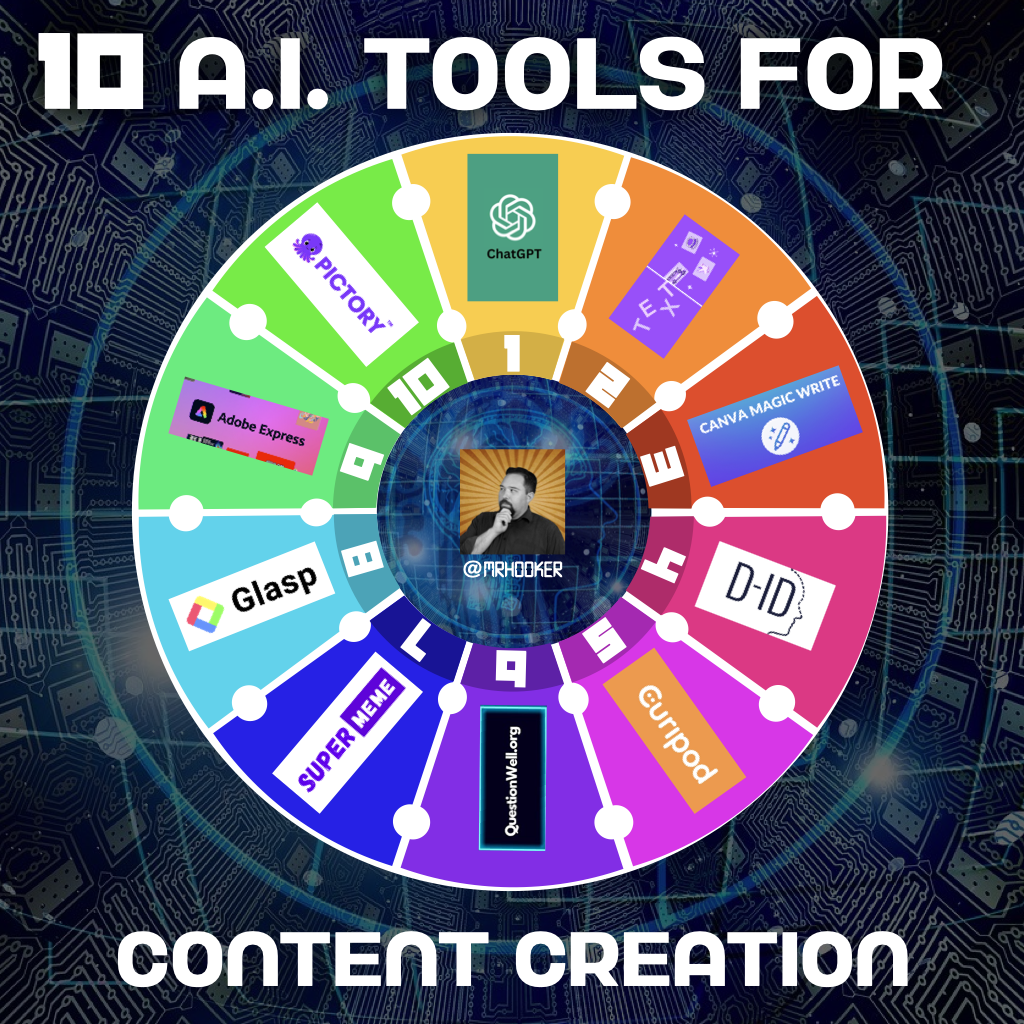
15 AI Platforms to Watch
New platforms appear every week. I've tested these 15 tools to see where they actually help and where they fall short. The right choice depends on whether you need SEO data or just a faster way to draft.
Jasper is a well-established player, known for its versatility. It excels at generating long-form content, ad copy, and social media posts. While powerful, it can be expensive and requires careful prompting to achieve optimal results. It’s a good all-rounder, but not necessarily the best at any single task.
SurferSEO focuses heavily on SEO-optimized content. It analyzes top-ranking articles for your target keywords and provides data-driven insights to help you create content that ranks. It's fantastic for SEO, but less useful for purely creative writing. It’s a core tool for anyone serious about search engine visibility.
Scalenut is another strong contender in the SEO space, offering a suite of tools for keyword research, content planning, and AI writing. It's similar to SurferSEO but often considered more user-friendly, especially for beginners. I've found their content editor to be particularly helpful.
Rytr is a more affordable option, ideal for bloggers on a budget. It’s particularly good for generating short-form content, such as blog post introductions, outlines, and social media captions. Don’t expect novel-length articles, but it’s a great value for the price.
Copy.ai is known for its ease of use and wide range of templates. It's a solid choice for creating marketing copy, website content, and product descriptions. It’s quick to learn, but the output can sometimes feel a bit generic.
Frase is designed to help you research and write SEO-optimized content. It analyzes search results to identify key topics and questions, then helps you create content that answers those questions. It’s a powerful tool, but it requires a bit of a learning curve.
Writesonic offers a range of AI writing tools, including a blog post writer, article rewriter, and landing page generator. It's a versatile option, but the quality of the output can vary.
Article Forge aims to generate entire articles with minimal input. While it can produce content quickly, the quality is often lower than other tools on this list. It’s best used for generating drafts or ideas, rather than finished products.
ClosersCopy is geared towards marketing and sales copy. It's known for its ability to generate persuasive and engaging content. It’s a niche tool, but it excels at what it does.
Anyword focuses on predictive performance scoring. It analyzes your content and predicts how well it will perform with different audiences. This is a unique feature that can be incredibly valuable for marketers.
Simplified is an all-in-one marketing platform that includes AI writing tools, graphic design tools, and video editing tools. It's a good option for bloggers who want a single platform for all their content creation needs.
Peppertype.ai is designed to help you create a variety of content formats, including blog posts, social media posts, and email newsletters. It’s a versatile tool with a focus on speed and efficiency.
MarketMuse is a comprehensive content intelligence platform. It analyzes your content and provides insights to help you improve your SEO and content strategy. It’s a powerful tool, but it’s also one of the more expensive options.
Semrush (discussed in more detail later) has integrated AI writing tools into its platform, adding another layer of functionality to an already powerful SEO suite. It's becoming a one-stop shop for many bloggers.
AI for search and keywords
AI is transforming SEO, moving beyond simple keyword density to a deeper understanding of search intent. Tools like Semrush and SurferSEO are leading the charge, providing data-driven insights that were previously unavailable. The days of just stuffing keywords into your content are long gone.
Semrush’s AI features now go beyond keyword research to offer content optimization suggestions, competitor analysis, and even automated content rewriting. It can identify content gaps in your niche and suggest topics to cover. What’s particularly useful is its ability to analyze the semantic meaning of keywords, not just their volume.
SurferSEO excels at analyzing top-ranking content and providing specific recommendations for improving your own content. It tells you exactly how many times to use certain keywords, what headings to include, and even the optimal content length. However, remember that these are suggestions, not rules – always prioritize creating high-quality, engaging content.
Even tools like Ahrefs are integrating AI to enhance their keyword research capabilities. AI can now help you identify long-tail keywords, analyze search intent, and even generate content briefs for writers. The key takeaway is that AI isn’t just about automating tasks; it’s about providing deeper, more actionable insights.
It's critical to understand why AI is making certain recommendations. Don’t blindly follow its suggestions without considering your audience and your brand voice. AI is a powerful tool, but it’s still just a tool. Your human judgment is essential.
Beyond Text: AI for Visuals & Audio
AI isn’t limited to text-based content. Tools are emerging that can create stunning visuals and even audio content for your blog. This opens up exciting possibilities for enhancing your content and reaching a wider audience.
Platforms like DALL-E 3 and Midjourney allow you to generate images from text prompts. This is incredibly useful for creating featured images, social media graphics, and illustrations. However, it’s important to be aware of the ethical considerations surrounding AI-generated images, including copyright and the potential for deepfakes.
Synthesia is a platform that allows you to create AI-generated videos featuring realistic avatars. This is a great option for creating explainer videos, product demos, and training materials. It’s a cost-effective alternative to hiring actors and videographers.
When using AI-generated visuals, transparency is key. Be upfront with your audience about the fact that the images or videos were created using AI. This builds trust and avoids any potential misunderstandings. The legal landscape is still evolving, so it’s best to err on the side of caution.
AI and Content Originality: Navigating the Rules
The copyright implications of AI-generated content are a major concern for bloggers. As the US Copyright Office guidance clarifies, works containing material generated by AI may not be eligible for copyright protection unless there’s sufficient human authorship. This means that simply prompting an AI tool to write a blog post is unlikely to result in a copyrightable work.
However, if you significantly modify the AI-generated content, add your own original ideas, and exercise creative control, you may be able to claim copyright on the resulting work. The level of human input required is a gray area, and it’s likely to be the subject of legal challenges in the coming years.
To use AI responsibly and avoid plagiarism, be sure to carefully review and edit any AI-generated content. Don’t simply copy and paste the output – add your own voice, insights, and expertise. Always cite your sources, even if the information was generated by AI.
The law on AI copyright changes fast. Treat AI output as a rough draft rather than a final product to keep your ownership claims on solid ground.
What happens next
The future of AI in blogging is bright, albeit uncertain. We can expect to see continued advancements in natural language processing, leading to even more sophisticated AI writing tools. Personalized content will become increasingly important, with AI tailoring content to individual readers’ preferences.
The integration of AI into all aspects of the blogging workflow will become seamless. From keyword research to content creation to promotion, AI will be involved in every step of the process. This will free up bloggers to focus on what they do best: building relationships with their audience and creating valuable content.
At Blogger Secret, we’re committed to staying ahead of the curve and providing our community with the latest insights and tools. We’ll continue to explore new AI technologies and share our findings with you. The key is to embrace change and adapt to the evolving landscape.




No comments yet. Be the first to share your thoughts!