
VR is finally ready for lifestyle blogs
Lifestyle blogging is crowded. Most niches feel tapped out, and standard photography doesn't grab attention like it used to. Virtual reality is finally moving past the gimmick stage into something we can actually use to keep readers from scrolling away.
We’re seeing prices come down, headsets improve, and the overall experience become more seamless. The Meta Quest 3, for example, offers a significant step up in visual fidelity and ease of use compared to earlier models. 2026 feels like a tipping point – the technology will be good enough, and the price will be low enough, for a substantial portion of the population to adopt it. This isn't about replacing blogs, it's about extending them.
Think about Andrea’s blog, According to Andrea. She’s always been quick to embrace new technologies to enhance her content and connect with her audience. That willingness to experiment is what sets successful bloggers apart. VR isn’t just another platform; it’s a new way to experience lifestyle content. It's a shift from passive consumption to active participation.
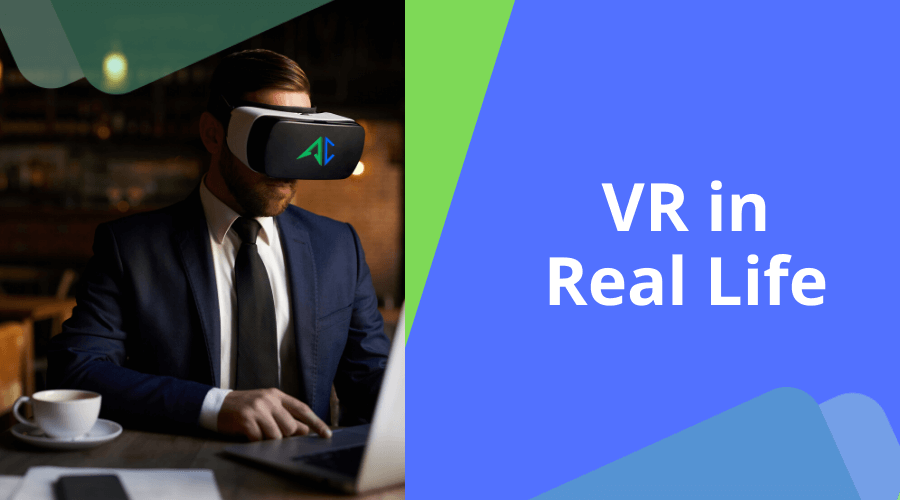
Interactive home tours and shoppable rooms
The home and decor niche is a natural fit for VR. Imagine offering readers a fully immersive tour of your own home, or a space you’ve professionally designed. But this isn’t just about recording a 360° video. The real power lies in interactivity. Users should be able to "walk" through rooms as if they were actually there.
They should be able to click on objects – a sofa, a lamp, a piece of art – to learn where they came from and get direct links to purchase them. Even better, imagine allowing users to experiment with different design choices. What if they could change the paint color of a wall with a click, or swap out furniture arrangements to see what looks best?
Building this level of interactivity is difficult right now, but by 2026, the barrier to entry will be lower. Sites like Urbanette already prove that readers want high-end visual curation; VR just makes that curation physical.
Virtual travel as a guide's new medium
Travel blogging remains incredibly popular, but it’s also a crowded space. VR doesn’t aim to replace actual travel – the experience of being in a new place is irreplaceable – but it can enhance it. Think of VR as a "try before you fly" experience, allowing potential travelers to get a feel for a destination before booking a trip.
More importantly, VR can bring travel to those who can’t experience it physically. Someone with mobility issues, or limited financial resources, can still "visit" the Eiffel Tower or explore the Amazon rainforest through a well-crafted VR experience. Bloggers can create these experiences, acting as virtual guides, offering their unique insights and perspectives.
The key here is storytelling. It’s not enough to simply recreate a place visually. You need to add your personal touch, your commentary, your expertise. What makes your perspective on Rome, or Bali, or New York City unique? That’s where your personality shines through and what will keep viewers engaged. Don't simply show a location; tell its story.
Fashion & Beauty: Virtual Try-Ons
This is perhaps the most immediately practical application of VR for lifestyle bloggers. Imagine allowing your readers to virtually "try on’ clothes, makeup, or hairstyles. This isn’t just a novelty; it"s a powerful tool for driving sales. Integrating these try-on experiences with affiliate links creates a direct revenue stream.
However, there are challenges. Accurately representing textures, colors, and how garments drape on different body types is crucial. A poorly rendered virtual try-on experience will do more harm than good. The technology needs to be convincing. Getting the lighting right is also essential.
The real money is in the data. If you know exactly which frames a reader tried on in VR, your follow-up email isn't a guess—it's a direct link to the pair they liked most. This turns a blog from a magazine into a personal shopping service.
- Color accuracy that matches physical fabric under natural light
- Texture mapping for materials like silk, denim, and wool
- Proper garment draping
Monetization Strategies: Beyond Ads
We’ve talked about creating compelling VR experiences. Now, let’s discuss how to turn those experiences into revenue. Relying solely on display advertising is no longer enough. VR opens up new monetization avenues.
Sponsored VR experiences are a strong possibility. A hotel could pay you to create a VR tour of their property, allowing potential guests to experience it firsthand. You could sell access to exclusive VR content – a premium VR cooking class led by a renowned chef, for example. Affiliate marketing within VR experiences is another option – link to the products you use in a VR home tour.
Don’t overlook the potential of virtual events. Host a VR fashion show, a virtual book launch, or a VR workshop. These events can reach a wider audience than traditional in-person events and offer a unique level of engagement. Think about creating tiered access – free for basic access, paid for VIP experiences.
Monetization Strategy Comparison: Virtual Reality for Lifestyle Blogs (2026 Outlook)
| Implementation Effort | Potential Revenue | Long-Term Sustainability | Brand Control |
|---|---|---|---|
| Low | Moderate | Moderate | High |
| Medium | High | Moderate | Moderate |
| High | Very High | High | Low |
| Low | Low | Low | High |
| Medium | Moderate | High | Moderate |
| High | High | Moderate | Moderate |
Illustrative comparison based on the article research brief. Verify current pricing, limits, and product details in the official docs before relying on it.
Software and hardware for 2026
What tools will bloggers need to create these VR experiences? The good news is that I expect a lot of this will be simplified by 2026. We’re already seeing the emergence of no-code and low-code VR creation platforms. These platforms allow you to build immersive experiences without needing extensive programming knowledge.
3D modeling software will still be important, but it will likely become more user-friendly. Blender, for example, is a powerful open-source 3D creation suite, but it has a steep learning curve. I anticipate that future versions will be more accessible to non-designers.
I'm not sure about specific SDKs or packages to recommend at this point, as the landscape is changing rapidly. However, keep an eye on platforms like Unity and Unreal Engine. They are industry standards for VR development and offer a wealth of resources and support. The key will be finding tools that are affordable, easy to use, and integrate seamlessly with your existing blog.
Building a VR-Ready Blog
Integrating VR experiences into your existing blog requires some technical preparation. Website optimization is crucial. VR content is typically larger in file size than traditional content, so you’ll need to ensure your website loads quickly and efficiently. Prioritize image optimization and consider using a content delivery network (CDN).
Mobile responsiveness is also essential. Many users will access VR experiences on their smartphones using mobile VR headsets. Your blog needs to be fully optimized for mobile devices. You’ll also want to choose a reliable hosting provider that can handle the increased bandwidth demands.
Finally, create a dedicated "VR" section on your blog. This will make it easy for readers to discover and access your immersive content. Promote your VR experiences prominently on your homepage and social media channels. Encourage readers to share their experiences with others.



No comments yet. Be the first to share your thoughts!