
Make the recipe
Building a high-ranking post in the clean beauty movement requires more than a product review; it requires an ingredient-first architecture. To dominate search results, you must pivot from describing how a product feels to explaining why specific chemical structures or botanical extracts matter for skin health.
This approach treats the blog post as a technical blueprint. By isolating a single "hero" ingredient and contrasting it against common synthetic alternatives, you provide the specific utility that search engines now prioritize over generic beauty tips. The goal is to move the reader from curiosity to confidence through evidence-based transparency.
Keep the texture right
Achieving a stable emulsion in clean beauty formulations requires precise temperature control and mixing speeds. Without synthetic stabilizers, natural ingredients can separate, leading to a watery consistency or a gritty, uneven feel. The goal is to create a homogenous bond between oil and water phases that remains stable over time.
Swaps that still work
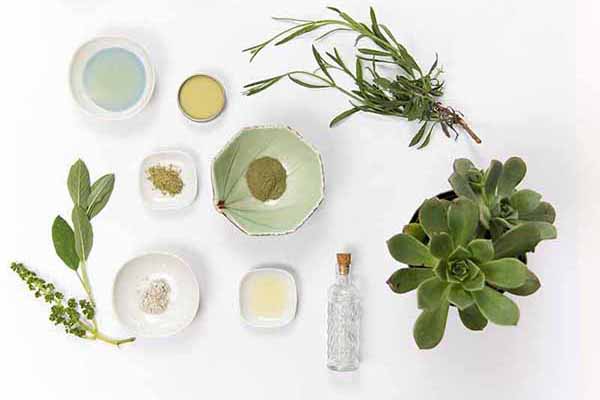
Transitioning to clean beauty doesn't require abandoning the active ingredients that actually deliver results. The goal is to replace potentially irritating fillers or endocrine disruptors with stable, biocompatible alternatives that maintain the same functional outcome.
When auditing a product, look for alternatives that mirror the molecular behavior of the original ingredient. For example, replacing synthetic fragrances with plant-based isolates or swapping harsh sulfates for gentle glucosides allows you to maintain the product's texture and efficacy without the systemic risk associated with traditional synthetic additives.
| Conventional Ingredient | Clean Alternative | Primary Benefit |
|---|---|---|
| Sodium Lauryl Sulfate (SLS) | Decyl Glucoside | Gentle cleansing without skin barrier disruption |
| Parabens | Phenoxyethanol or Gluconolactone | Preservation without endocrine disruption |
| Synthetic Fragrance | Essential Oil Isolates | Scent without phthalates |
| Mineral Oil | Squalane or Jojoba Oil | Non-comedogenic moisture barrier |
| Silicones (Dimethicone) | Plant-based Hemisqualane | Smooth application without plastic buildup |
Serve and store it
Since clean beauty formulations often omit synthetic preservatives and stabilizers, they are more sensitive to light and temperature. To maintain the integrity of active botanical extracts, store your homemade preparations in dark, amber glass bottles. This prevents UV rays from degrading the ingredients and extending the risk of oxidation.
For water-based serums or creams, refrigeration is the best way to keep the product stable. A cool environment slows down microbial growth and provides a soothing effect upon application. If you use a preservative-free recipe, treat it like fresh food: make small batches that you can use within 7 to 14 days.
When reheating oil-based balms that have solidified in cold weather, use a warm water bath (bain-marie) rather than a microwave. High, uneven heat can break down the delicate molecular structure of natural oils and essential oils, stripping the product of its intended benefits.
Common questions
Navigating the clean beauty movement requires distinguishing between marketing claims and actual ingredient safety. Because "clean" is not a regulated legal term, the burden of verification falls on the consumer and the content creators who analyze these formulas.

No comments yet. Be the first to share your thoughts!