
Read the palette first
Before you write a single word, you need to know what you’re actually building. AI tools are powerful, but they are generic by default. If you don’t set strict guardrails, your lifestyle and beauty blog will sound like every other AI-generated site on the internet.
Start by defining your voice palette. This isn’t just about picking a color scheme; it’s about codifying your tone, vocabulary, and perspective. Are you the skeptical best friend testing products? The clinical dermatologist breaking down ingredients? The busy mom looking for quick hacks? Write down three adjectives that describe your ideal reader’s feeling after reading your post.
Next, gather your brand assets. AI needs context to mimic your style. Collect:
- 5-10 of your best-performing posts to serve as style examples.
- Your banned words (e.g., "game-changer," "delve," "tapestry").
- Your specific beauty niche focus (e.g., clean beauty, luxury skincare, budget makeup).
Without this setup, you’ll spend hours editing AI output to sound human. With it, you’ll spend minutes. Think of this step as mixing your paint before you start the canvas. If the base is muddy, the final image will be too.
Build the outfit
Outfitting your blog means pairing the right AI tools with the right human touch. You aren't replacing your voice; you're giving it a megaphone. Think of AI as your production crew—it handles the lighting, sound, and editing so you can focus on the performance. For a lifestyle and beauty blog, this "outfit" consists of three core components: a research engine, a drafting assistant, and a visual generator.
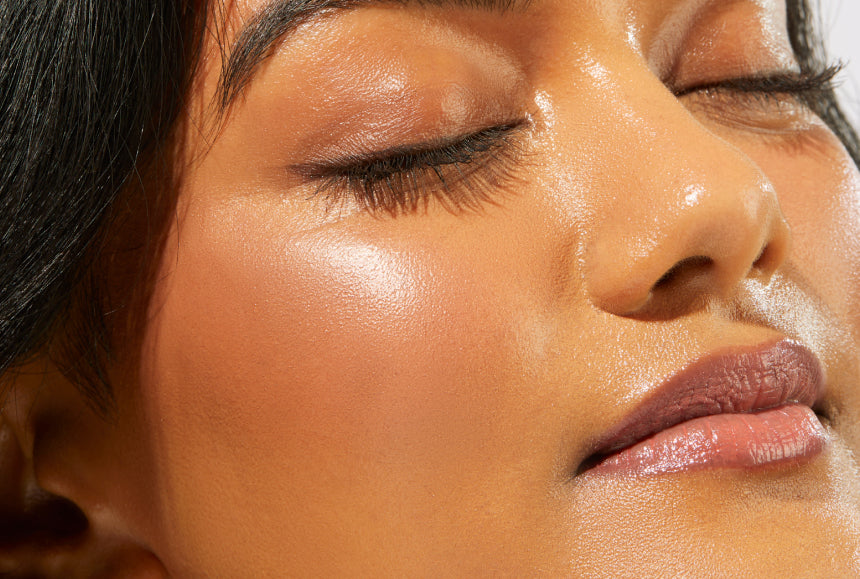
Start by selecting an AI tool that excels at pattern recognition. For beauty trends, this means feeding it recent viral TikTok aesthetics or dermatology studies. Use it to scan competitor posts and identify gaps in current coverage. Don't just ask for "top trends." Ask for "emerging skincare ingredients mentioned in 2025 but not yet saturated in lifestyle blogs." This specific prompt yields actionable topics rather than generic advice.
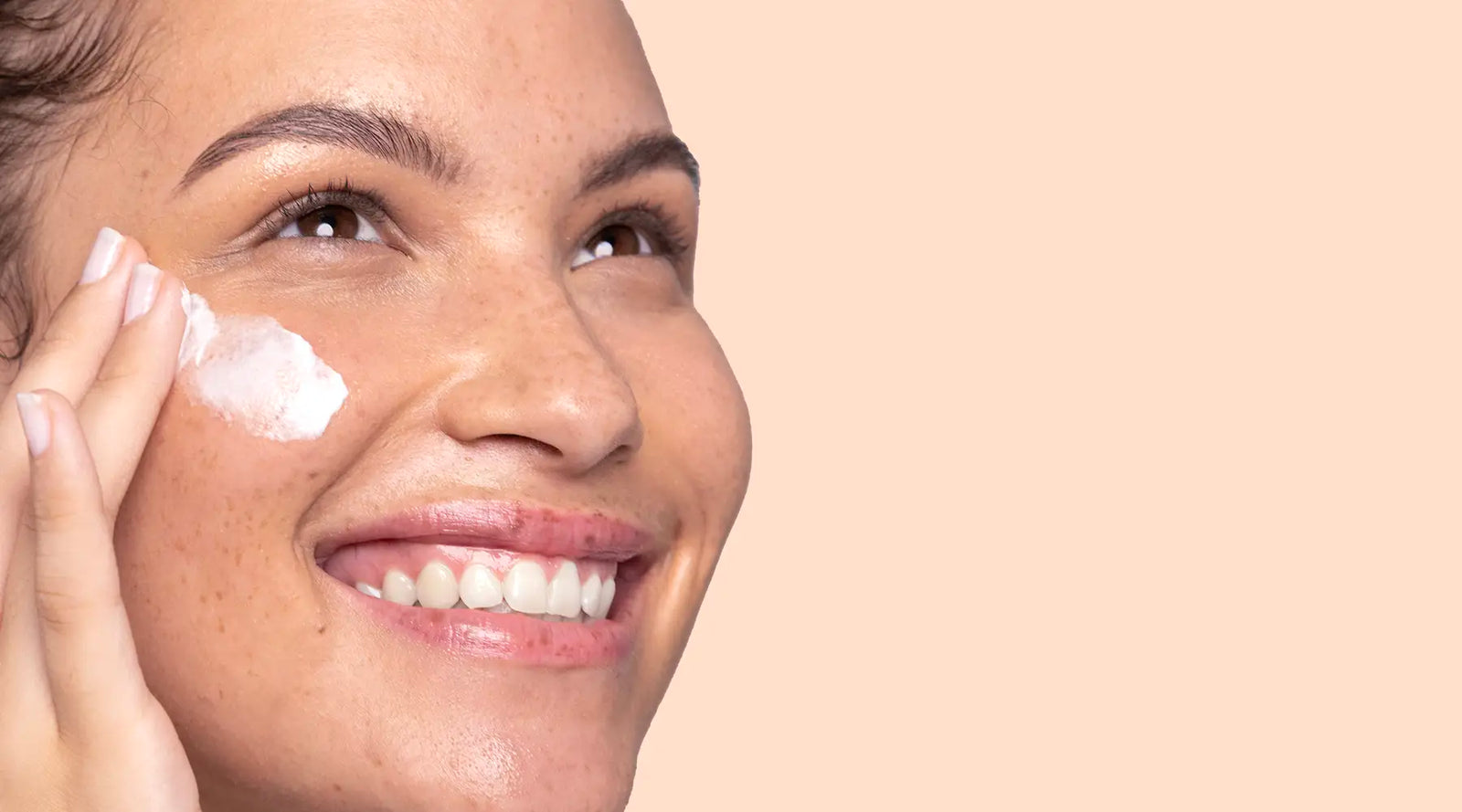
Once you have a topic, use a writing assistant to create a structural skeleton. Input your research notes and ask for an outline that balances educational value with personal anecdote. AI struggles with genuine emotion, so use it for the "what" and "how," but reserve the "why" for yourself. Draft the first pass quickly, then rewrite the introduction and conclusion by hand to ensure your unique voice anchors the piece.
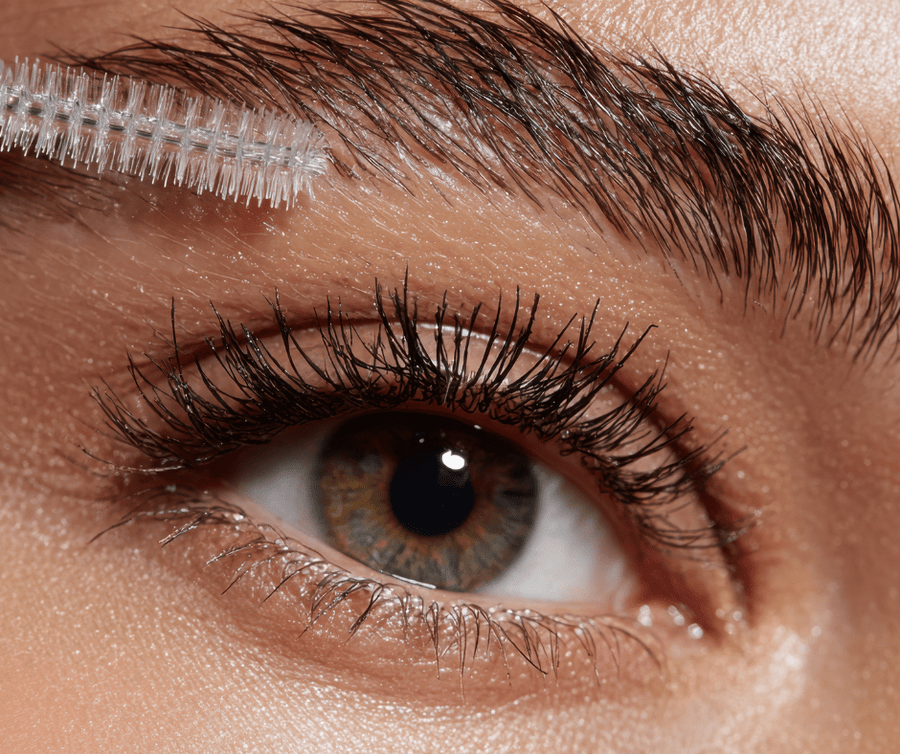
Lifestyle and beauty are visual mediums. Use an image generator to create consistent aesthetic mockups or ingredient close-ups that match your brand palette. If you're reviewing a serum, generate a clean, minimalist bottle shot on a marble surface. These assets speed up your workflow significantly, but always check for AI artifacts like extra fingers or nonsensical text labels before publishing.
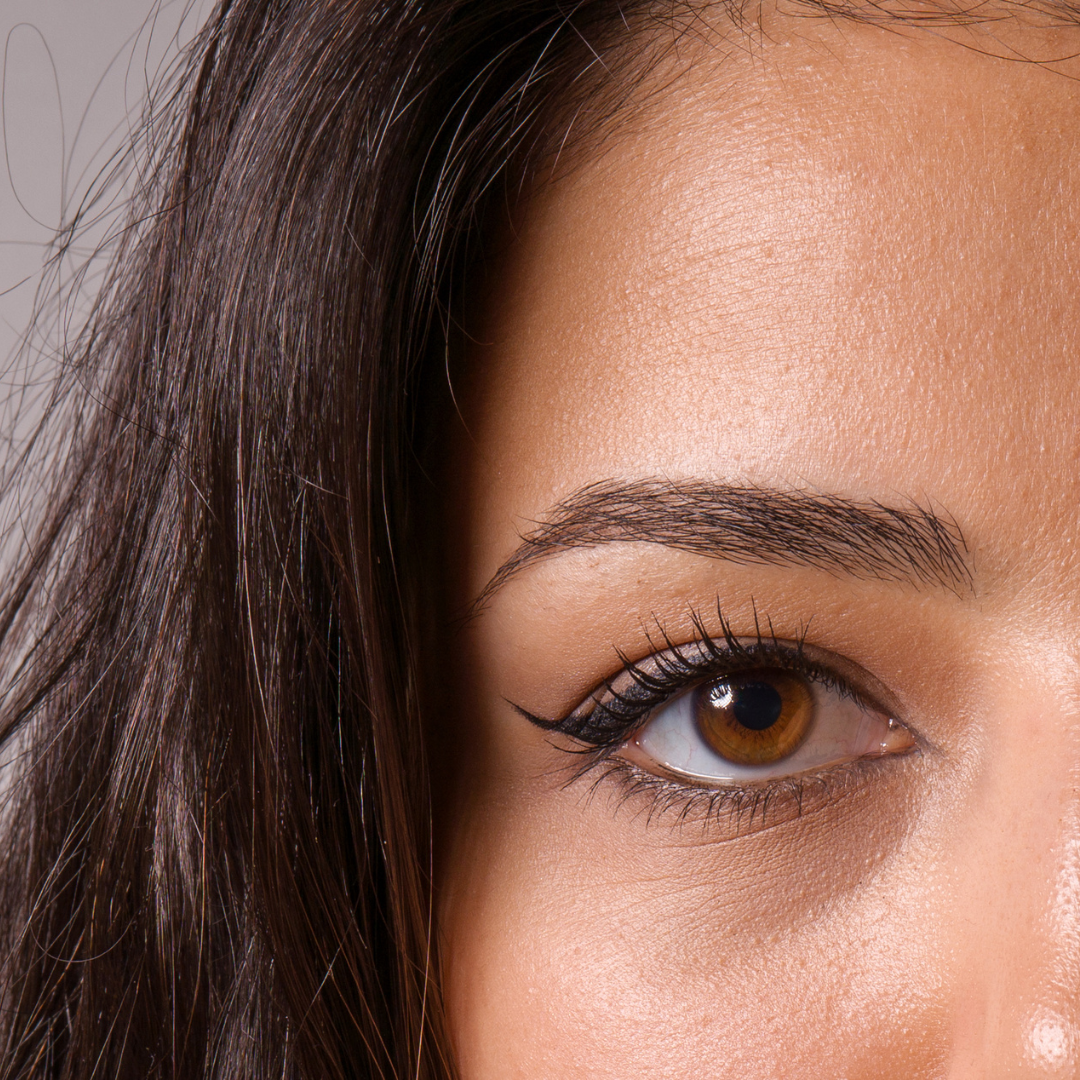
Before hitting publish, run a "human filter" check. Read the post aloud. Does it sound like a robot wrote it? If yes, inject personal experience. Did you actually test the product? Add a photo of your own application. AI can simulate expertise, but it cannot simulate experience. Your audience follows you for your real-life results, not just your well-formatted opinions.
The 80/20 Rule for AI Content
Applying the 80/20 rule to your AI workflow ensures you stay relevant. Use AI for 80% of the heavy lifting: research, outlining, SEO optimization, and basic drafting. Reserve the remaining 20% for high-value human input: personal stories, unique photography, expert interviews, and final editorial polish. This balance keeps your content efficient without sacrificing the trust that drives long-term growth.
Checklist for AI-Enhanced Posts
-
Research prompt yielded specific, non-generic trends
-
Outline balances facts with personal narrative slots
-
AI-generated images are free of artifacts and branded correctly
-
Final read-through confirms human voice and tone
-
SEO meta tags are optimized for primary keywords
Mistakes that flatten the colors
Even with AI handling the heavy lifting of drafting, your lifestyle and beauty blog can look dull if you ignore visual consistency. Flat colors kill engagement, making high-quality product shots or travel destinations look muddy and unappealing. This is often a result of poor color grading or relying on generic AI image prompts that lack depth.
The most common error is using low-contrast palettes. When your text overlays or background elements clash with the subject, the eye glazes over. For beauty tutorials, this means foundation shades look off, and for lifestyle posts, it means sunlight feels flat. You need to ensure your AI-generated assets or edited photos have proper saturation and contrast to pop against your site’s theme.
Another frequent mistake is inconsistent lighting across posts. If one week your AI images are bright and airy, and the next they are moody and dark, your brand loses trust. Viewers expect a cohesive aesthetic. Use AI tools to maintain a specific color profile, ensuring that every post feels like part of a unified story rather than a random collection of images.
Blogger secret: what to check next
Before committing to a new AI-augmented workflow, it helps to clear up the practical hurdles. These answers address the most common objections from lifestyle and beauty creators looking to scale.
No comments yet. Be the first to share your thoughts!