
The nomad bubble burst
The early 2020s saw an explosion in 'digital nomad' culture. Instagram feeds were flooded with images of laptops on beaches, promises of affordable living in exotic locales, and a general sense that anyone could "work from anywhere." It felt accessible, even glamorous. But that initial boom has undeniably matured, and the picture is far more complex now.
The reality is that the nomadic lifestyle isn't always the idyllic escape it's portrayed to be. Costs of living in once-cheap nomad hubs like Bali and Medellin have risen dramatically, driven by increased demand. Visa restrictions are tightening in many countries, making long-term stays more difficult. There's simply more competition for lodging, workspaces, and even just a decent internet connection.
The market has become saturated with travel content, and the superficial aspects of the lifestyle are starting to lose their appeal. Shivya Nath, in her reflections on sustainable tourism at the-shooting-star.com, points to a growing awareness of the impact of constant travel. This represents a shift away from the earlier, often uncritical embrace of the digital nomad aesthetic. It wasn't all perfect, and people are starting to acknowledge that.
The easy days are gone. You can't just show up in Bali with a laptop and expect a cheap, easy life anymore. Success in 2026 means dealing with higher costs and stricter visas that didn't exist five years ago.
What readers actually want now
Travel audiences have become more discerning. They’ve seen countless iterations of the same beach photos and the same 'how to make money while traveling' guides. The demand for superficial content has decreased, and readers are now actively seeking authenticity, depth, and genuinely useful information.
There’s a growing appetite for responsible travel practices, immersive local experiences, and in-depth guides that go beyond the typical tourist trail. People want to know how to travel sustainably, where to find hidden gems, and what to expect when venturing off the beaten path. They want practical advice, not just pretty pictures.
While precise data is hard to come by, a noticeable shift in search trends indicates this change. Queries are becoming more specific, focusing on niche interests and detailed itineraries. People aren’t just searching for 'Thailand travel'; they’re searching for 'ethical elephant sanctuaries in Chiang Mai' or 'vegetarian cooking classes in Bangkok.'
This shift presents both a challenge and an opportunity for travel bloggers. To succeed, you need to move beyond the aesthetic and focus on delivering real value to your audience. Forget about chasing likes; focus on building trust and providing information that people actually need.
- Share genuine experiences, including the bad days and travel mishaps.
- Focus on providing practical, actionable advice.
- Highlight responsible travel practices and local communities.
- Write about local history and culture instead of just listing hotel prices.
Pick a tiny niche
General travel blogging is incredibly competitive. In 2026, standing out requires hyper-niche specialization. The days of casting a wide net are over. Instead of trying to appeal to everyone, focus on a very specific segment of the travel market.
Think about combining interests and demographics. Instead of 'travel,' consider niches like 'solo female hiking in Patagonia,' 'budget backpacking through Southeast Asia for foodies,' 'luxury train travel in Europe for history buffs,' or 'accessible travel in Japan for wheelchair users.' The more specific you are, the easier it will be to attract a dedicated audience.
Expert Vagabond, as a successful travel blog, demonstrates the power of focus. While covering a range of destinations, they consistently emphasize adventure travel and off-the-beaten-path experiences. This clear focus has helped them build a loyal following.
Don't be afraid to get really specific. The narrower your niche, the less competition you'll face, and the more likely you are to become a trusted authority in that area. It might seem counterintuitive to limit your potential audience, but it's often the most effective way to grow a successful travel blog.
Search strategy for crowded topics
Traditional SEO tactics are becoming less effective in a saturated market. Ranking for broad keywords like 'travel' or 'vacation' is nearly impossible. To succeed, you need to adopt a more strategic approach to search engine optimization.
Forget high-volume terms. I look for long-tail phrases that other bloggers ignore. If you answer a specific question that a traveler is actually asking, you'll win the click even if the total search volume is low.
Focus on search intent. What is the user trying to achieve when they type a particular query into Google? Are they looking for information, inspiration, or a specific product or service? Your content should align with that intent.
The rising importance of voice search and featured snippets also presents opportunities. Optimize your content for conversational queries and structure it in a way that makes it easy for Google to extract key information for featured snippets. Local SEO is also vital if you focus on specific regions.
Keyword Strategy Comparison for Travel Blogging - 2026
| Keyword Type | Competition | Search Volume | Conversion Potential | Difficulty |
|---|---|---|---|---|
| Head Keywords (e.g., 'travel') | Very High | Extremely High | Moderate | Very High |
| Body Keywords (e.g., 'budget travel') | High | High | Good | High |
| Long-Tail Keywords (e.g., 'best budget travel destinations in Europe for students') | Low to Moderate | Moderate | Very Good | Moderate |
| Branded Keywords (e.g., 'Blogger Secret travel tips') | Low | Variable | High | Low |
| Local Travel Keywords (e.g., 'things to do in Kyoto') | Moderate | Moderate | Good | Moderate |
| Question Keywords (e.g., 'how to pack for a backpacking trip') | Moderate | Moderate | Good | Moderate |
| Trending Travel Keywords (e.g., related to current events/destinations) | Variable | High (short-term) | Moderate | Variable |
Illustrative comparison based on the article research brief. Verify current pricing, limits, and product details in the official docs before relying on it.
Visuals are getting raw
The Instagram-perfect aesthetic is losing its appeal. While high-quality visuals are still important, readers are looking for more authentic and engaging content. The focus is shifting from curated perfection to raw, unfiltered storytelling.
Short-form video (TikTok, Reels, YouTube Shorts) is dominating social media, and travel bloggers need to embrace this format. Create videos that are informative, entertaining, and visually appealing. Show, don’t just tell.
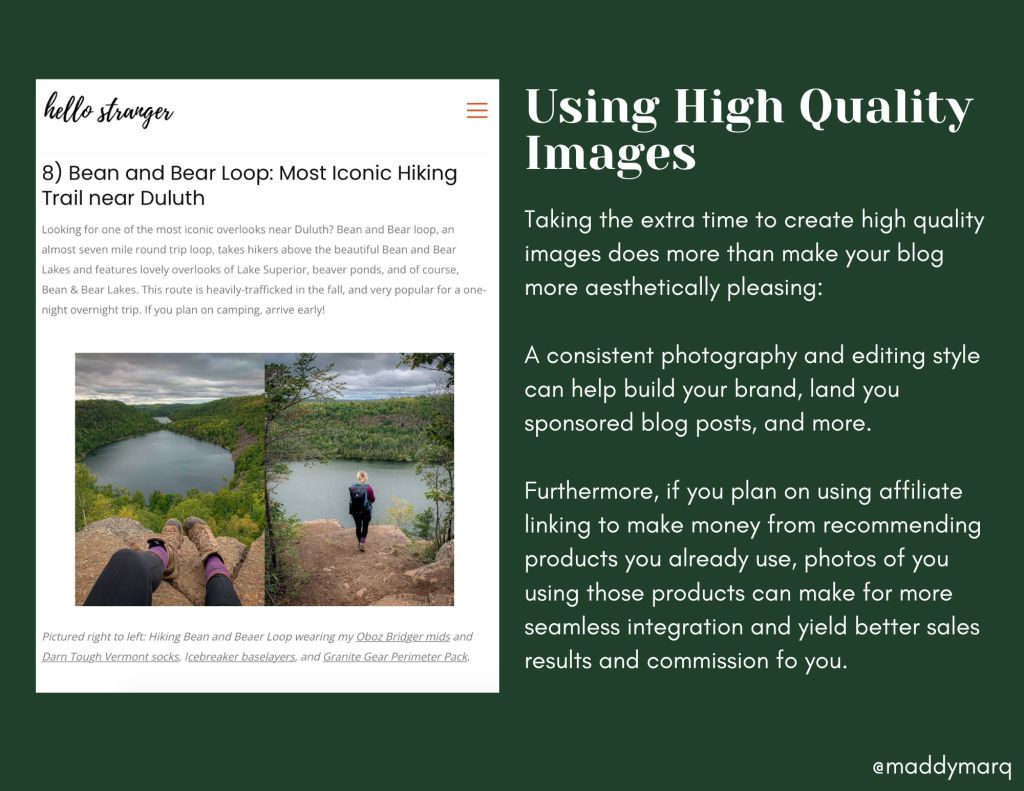
High-quality photography remains essential, but it should complement your storytelling, not overshadow it. Think about capturing the feeling of a place, not just the landmarks. Consider using immersive formats like 360° photos and virtual tours to give your audience a more realistic experience.
Accessibility is also key. Always include alt text for images and captions for videos to make your content accessible to people with disabilities. Remember that visual storytelling is about more than just aesthetics; it's about creating a connection with your audience.
Talk to your readers
Building a loyal community is more important than ever. In a crowded market, a strong community can be your biggest asset. This means fostering engagement, responding to comments, running contests, and creating a sense of belonging.
Email marketing remains a powerful tool for building relationships and driving traffic to your blog. Offer valuable content and exclusive deals to your subscribers. Facebook groups and other community platforms can also be effective for connecting with your audience.
Collaborating with other bloggers and influencers can help you reach a wider audience. Guest posting, joint webinars, and social media shoutouts are all effective ways to collaborate. However, ensure collaborations are authentic and relevant to your niche.
Genuine interaction is paramount. Don’t just broadcast content; engage in conversations, answer questions, and show your audience that you care. A strong community will not only support your blog but also become your biggest advocates.
Making money without affiliate links
Relying solely on affiliate links is a risky strategy. Affiliate programs can change their commission rates or even terminate their programs altogether. Diversifying your income streams is crucial for long-term sustainability.
Consider creating and selling digital products, such as e-books, online courses, photo presets, or travel planning templates. These products can generate passive income and establish you as an expert in your niche.
Offering consulting services is another viable option. If you have specialized knowledge or experience, you can charge clients for your expertise. This could include travel planning, content creation, or social media marketing.
Sponsored posts can be lucrative, but it's important to be transparent with your audience. Clearly disclose any sponsored content and ensure that it aligns with your values. Another area to explore is building a membership site offering exclusive content and benefits for a recurring fee. You could even offer personalized travel planning services for a premium.




No comments yet. Be the first to share your thoughts!