
The AI Blogging Shift: 2026 and Beyond
Blogging in 2026 is very different than it was even a few years ago. Accessible AI tools have fundamentally altered how content is created and consumed. AI assisting with writing is now a necessity for bloggers who want to maintain relevance and grow their audience. Competition is fierce, and relying solely on manual content creation can leave you struggling to keep up.
AI writing assistants are shifting from being considered "nice to haves’ to essential components of a successful blogging strategy. The volume of content published online is exploding, and AI offers a way to scale your output without sacrificing quality. Quality still requires careful attention, as we’ll discuss later. This isn’t about replacing bloggers; it"s about empowering them.
This rapid change brings anxieties. Many bloggers worry about maintaining authenticity and a unique voice when incorporating AI into their workflow. There’s a valid concern about content sounding generic or robotic. This guide aims to address those concerns head-on, providing practical advice on leveraging AI while staying true to your brand and connecting with your audience. AI-generated content often requires significant editing and refinement, but the technology is improving rapidly.
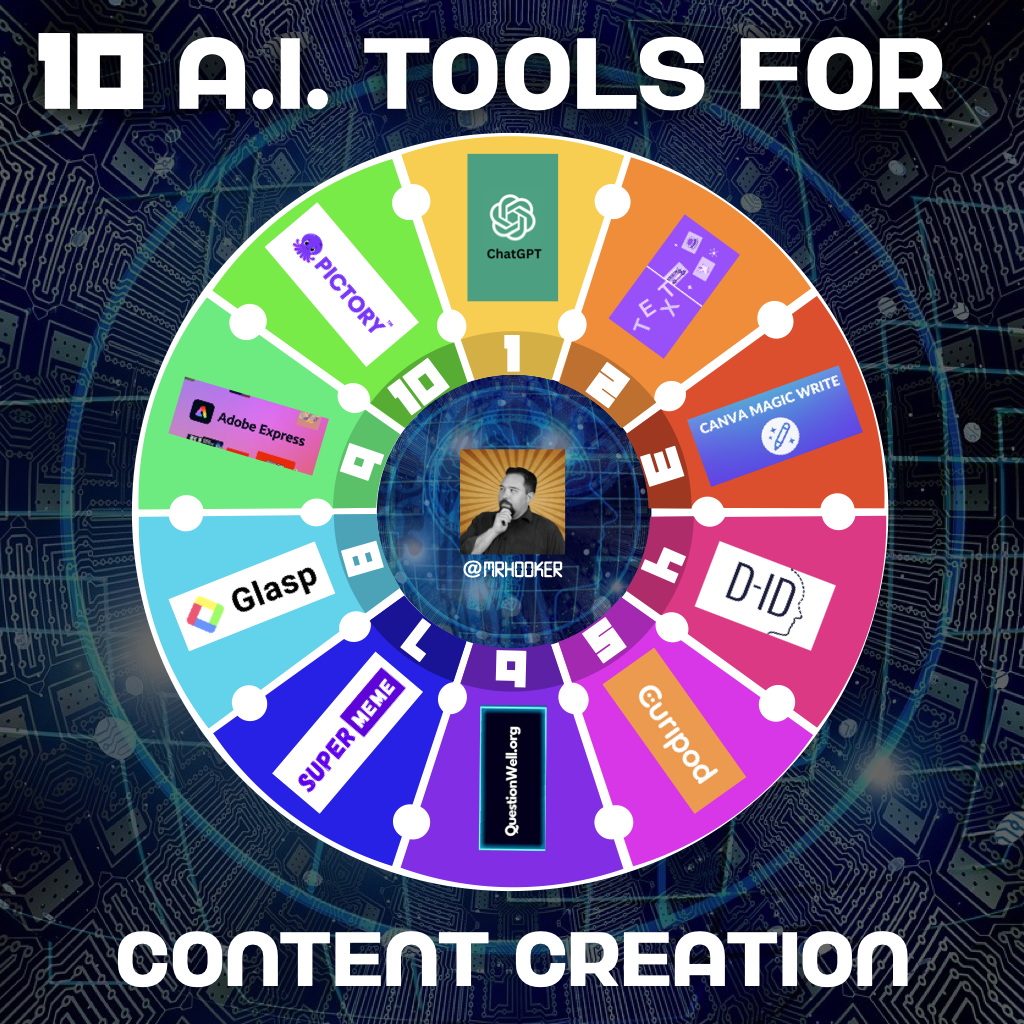
Content Pillars: AI Tools for Every Stage
Successful blogging isn’t just about writing; it’s a process. AI tools can now assist at almost every stage of that process. Consider the typical workflow: first, you need ideas – ideation. Then, you research those ideas to ensure accuracy and find supporting data. Next comes drafting the content, followed by editing and proofreading.
After drafting, you’ll need to optimize your content for search engines – SEO optimization – and create visuals to break up text and engage readers. This is where image generation tools come in. Each of these stages offers opportunities to leverage AI to save time and improve results. Integrate AI into your existing process, don’t completely overhaul it.
We’ll avoid technical details. The goal is to give you a clear overview of where AI can fit into your workflow, regardless of your technical expertise. Think of these tools as assistants, helping you streamline tasks and focus on the creative aspects of blogging that only a human can deliver.
The Roundup: 7 AI Tools Bloggers Need Now
Here are seven AI tools that are proving invaluable for bloggers in 2026. These aren’t just general-purpose AI writers; they’re specifically geared towards addressing the unique challenges faced by content creators.
RightBlogger: RightBlogger is an all-in-one AI platform offering tools for content creation, SEO, and social media management. It's particularly strong at keyword research and generating blog post outlines. Pricing information isn’t readily available, but RightBlogger positions itself as a comprehensive solution for serious bloggers. Its integrated approach is a major pro, but the lack of transparent pricing could be a con for some.
Jasper: Jasper is a popular and well-established AI writing assistant that excels at long-form content creation. It offers a variety of templates for different content types, including blog posts, articles, and social media captions. Jasper’s "Boss Mode’ allows for more control over the AI"s output. Plans start around $49 per month, but pricing scales with usage. It's a powerful tool, but can be expensive for beginners.
Surfer SEO: While not solely an AI writing tool, Surfer SEO uses AI to analyze top-ranking content for specific keywords and provides data-driven suggestions for improving your own content. It helps with keyword density, content structure, and overall SEO optimization. Plans start at $69 per month. The benefit is improved search rankings, but it requires a solid understanding of SEO principles.
Scalenut: Scalenut is another all-in-one SEO and content marketing platform. It offers features for keyword research, content planning, and AI-powered writing. It’s known for its "Cruise Mode" which generates complete blog posts based on your input. Pricing starts at $39 per month. It's a cost-effective option, but the quality of the AI-generated content can vary.
Rytr: Rytr is a more affordable AI writing assistant, ideal for bloggers on a budget. It offers a variety of use cases, including blog ideas, outlines, and content generation. Pricing starts at $9 per month. It’s a good starting point for those new to AI writing, but it may lack the advanced features of more expensive tools.
Simplified: Simplified goes beyond writing, offering AI-powered design tools alongside content generation. This is particularly useful for bloggers who want to create visually appealing content. Pricing varies depending on usage. The combination of writing and design is a major plus, but the design features may not be as robust as dedicated design software.
Copy.ai: Focused on marketing copy, Copy.ai is excellent for generating social media posts, email subject lines, and ad copy. It’s a great tool for promoting your blog content. Plans start at $49 per month. A key benefit is its ability to create persuasive marketing copy, but it’s less suited for long-form content.
Authenticity Check: Avoiding the AI Content Trap
The biggest risk with AI content creation is losing your unique voice. It’s easy to fall into the trap of producing generic, robotic content that fails to connect with your audience. The key is to use AI as a tool to enhance your writing, not replace it. Think of AI as a first draft generator – a starting point that requires significant human refinement.
Heavy editing is essential. Don’t just copy and paste AI-generated content. Rewrite sentences, add personal anecdotes, and inject your own personality into the text. Focus on areas where AI struggles, such as nuanced opinions, creative storytelling, and emotional connection. As we discussed in our recent article on staying authentic while boosting productivity, maintaining a consistent brand voice is paramount.
Always run your content through a plagiarism checker to ensure originality. Tools like Copyscape can help you identify any instances of unintentional plagiarism. Remember, AI-generated content is based on existing data, so there's always a risk of overlap. Prioritize originality and provide unique insights to stand out from the crowd.
SEO & AI: A Powerful Combination
AI can significantly enhance your SEO efforts, but it shouldn’t replace traditional SEO best practices. AI tools can assist with keyword research, identifying relevant topics, and analyzing competitor content. For example, tools like Surfer SEO can reveal the keywords your competitors are ranking for and provide insights into their content strategy.
AI can also help generate meta descriptions and title tags, optimizing your content for search engines. It can identify content gaps – topics that your competitors haven’t covered – and suggest new content ideas. However, remember that Google prioritizes high-quality, original content. AI-generated content that is poorly written or lacks value will likely be penalized.
Don’t underestimate the power of long-tail keywords. These are longer, more specific phrases that people use when searching online. AI can help you identify long-tail keywords that are relevant to your niche and have lower competition. By targeting these keywords, you can attract a more qualified audience to your blog.
AI Tools Worth a Closer Look
From our initial roundup, a few tools stand out as particularly innovative or offering a unique value proposition. Surfer SEO deserves a deeper dive due to its data-driven approach to content optimization. It doesn’t just tell you what keywords to use; it shows you how to use them effectively based on analysis of top-ranking content. This level of detail is invaluable for bloggers serious about SEO.
RightBlogger is another tool worth highlighting. Its integrated approach – combining content creation, SEO, and social media management – simplifies the blogging workflow. While the pricing isn’t transparent, the convenience of having everything in one place is a significant benefit. It’s a good option for bloggers who want a comprehensive solution.
Finally, Jasper remains a powerful choice for long-form content creation, especially with its 'Boss Mode' feature. This allows for more control over the AI’s output and enables you to tailor the content to your specific brand voice. However, be prepared to invest time in editing and refining the AI-generated text to ensure quality and originality.
Future-Proofing Your Blog: AI Trends to Watch
The field of AI content creation is evolving rapidly. We can expect to see more sophisticated AI models capable of generating even more realistic and engaging content. The integration of AI with virtual reality could lead to personalized content experiences tailored to individual users. The potential for AI to automate more complex tasks, like content promotion and community management, is also significant.
However, it’s important to consider the ethical implications of AI content creation. Responsible AI use requires transparency, originality, and a commitment to providing value to your audience. As AI becomes more powerful, it’s crucial to prioritize human oversight and ensure that AI-generated content aligns with your brand values. The future of blogging will likely involve a symbiotic relationship between humans and AI, where each plays a complementary role.




No comments yet. Be the first to share your thoughts!