
Why the blogger secret matters now
The "blogger secret" isn't a hidden trick or a viral hack. It is a strategic blend of niche authority and authentic voice that separates sustainable businesses from digital noise. In an era where content saturation is high, trust is the only currency that holds value. Readers don't just want information; they want a reliable guide who understands their specific context.
Success in this space relies on building a business model around your unique strengths. As noted by industry observers, top-performing bloggers identify their core competencies and outsource or automate the rest. This approach allows you to maintain quality without burning out. It shifts the focus from chasing algorithms to serving a specific audience with precision.
The platform itself is less important than the foundation you build on it. Whether you use a custom domain or a free subdomain, the mechanics are secondary to the message. The real work happens in the consistency of your output and the genuineness of your perspective. This combination creates a moat around your brand that competitors cannot easily replicate.
Set up your blog infrastructure
Your blog’s technical foundation determines how much control you have over your content, your data, and your revenue. Before you write a single post, you need to choose a hosting platform and secure a custom domain. This choice dictates your long-term scalability and whether you can truly monetize your traffic.

Start by selecting a content management system (CMS). WordPress.org is the industry standard for serious bloggers because it offers full ownership of your content and thousands of plugins for SEO and monetization. Alternatively, Blogger (by Google) is a free, hosted option that is easier for beginners but limits your ability to customize themes or integrate third-party ad networks. If you want full control, self-hosted WordPress is the only path.

Buy a domain name that matches your brand, not a free subdomain like yoursite.blogspot.com. A custom domain (e.g., yourbrand.com) builds trust with readers and search engines. Use a reputable registrar like Namecheap or Google Domains. Keep the registration short (1-2 years) to avoid forgetting to renew, and enable privacy protection to hide your personal address from public WHOIS databases.

If you chose self-hosted WordPress, you must point your domain’s DNS records to your web host’s nameservers. This process usually takes 24-48 hours to propagate globally. Once connected, install WordPress on your host. If you chose Blogger, simply verify your domain ownership in the Blogger settings panel to link your custom domain to your blogspot address.

For WordPress, install a security plugin (like Wordfence), an SEO plugin (like RankMath or Yoast), and a caching plugin (like WP Rocket) to improve load speeds. These tools are non-negotiable for a professional setup. They protect your site from hacks and help search engines index your content faster.
Building this infrastructure correctly from day one saves you from painful migrations later. Treat this step as the bedrock of your blogger secret: without a stable, professional foundation, your content will never reach its full potential.
Define your beauty and fashion niche
A broad lifestyle blog tries to speak to everyone, which usually means it resonates with no one. To build a dedicated audience, you must narrow your focus. The "Blogger Secret" relies on specificity: when you solve a precise problem for a specific group, you become the go-to authority.
Start by auditing your own strengths. Every successful six-figure blogger builds a business model around their unique capabilities rather than chasing generic trends. They identify what they know deeply and what they can execute consistently, then double down on that area. If you are knowledgeable about sustainable fabrics, focus there. If you excel at budget-friendly makeup tutorials, let that be your anchor.
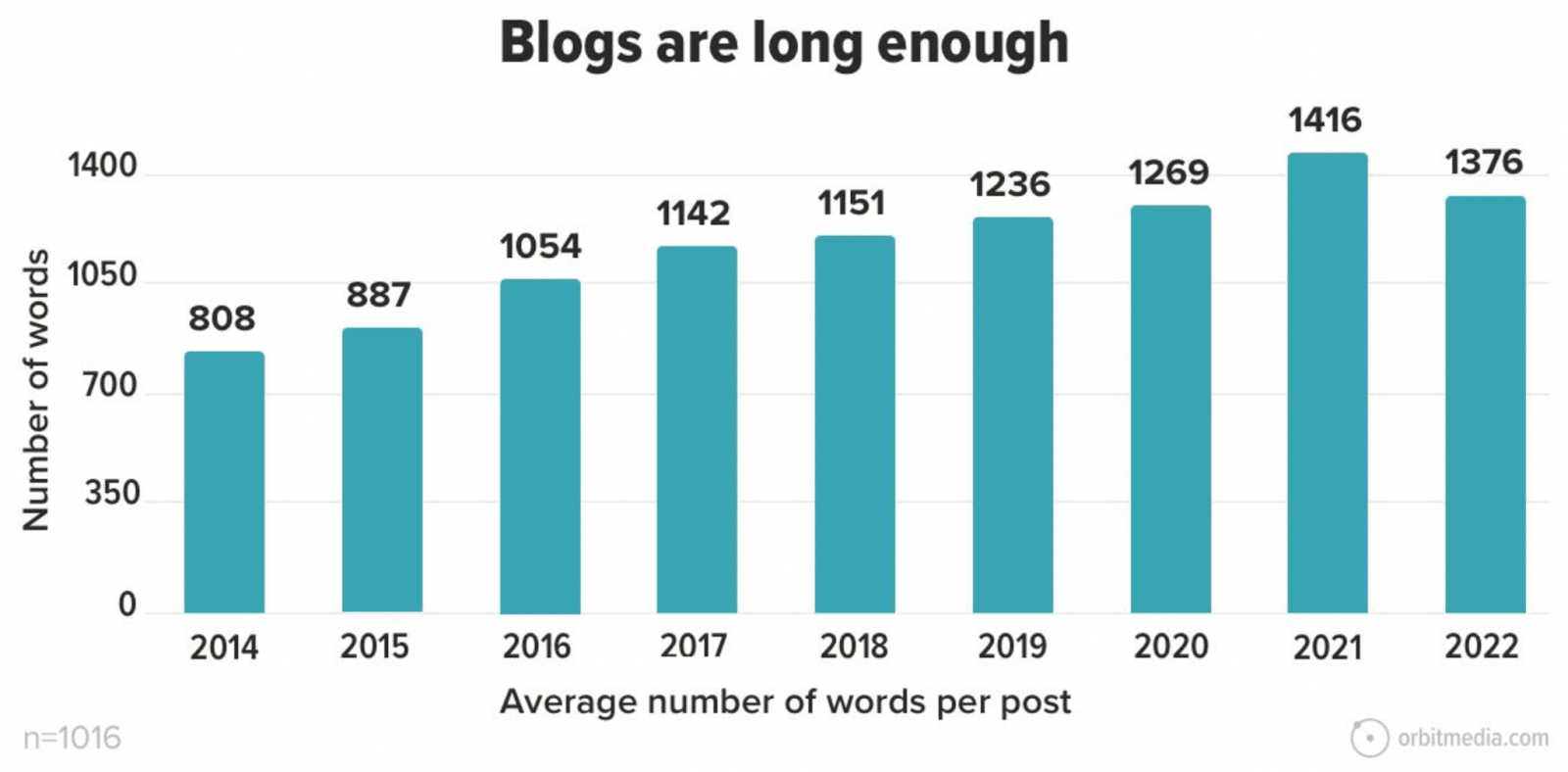
The difference between a generalist and a niche expert is measurable. Generalists struggle with audience growth because their content is too diluted to rank for specific queries. Niche-specific approaches allow for targeted monetization, as advertisers pay premiums for access to highly engaged, specific demographics.

Avoid the trap of thinking your niche is "too small." A narrow focus allows you to dominate a segment before expanding. Once you have established trust and authority in a specific corner of beauty or fashion, you can gradually broaden your scope. Until then, precision is your most valuable asset.
Create content that builds trust
High-quality content is the foundation of a profitable lifestyle blog, but authenticity is what keeps readers coming back. You need to produce work that resonates with your specific audience while maintaining a genuine human voice. This balance is difficult to strike, especially when leveraging modern tools.
Start by using AI for structural support rather than final output. Use these tools for outlining, SEO research, and generating topic ideas. However, always write the final draft yourself. This ensures your unique perspective and tone remain intact. AI can speed up the process, but it cannot replicate your personal experiences or nuanced opinions.
Focus on depth and accuracy. Google rewards content that demonstrates experience, expertise, authoritativeness, and trustworthiness (E-E-A-T). Update older posts regularly to keep information current. Freshened-up content signals to search engines that your blog is active and reliable.
Avoid generic advice. Instead, share specific stories, data, or case studies from your own life. This approach builds a stronger connection with your readers. When you write with honesty and clarity, you create content that not only ranks well but also earns loyalty.
Monetize your growing audience
Turning readers into revenue requires a structured approach. You are not just sharing content; you are building a business model. Successful bloggers typically diversify their income across three main streams: affiliate marketing, brand sponsorships, and digital products.
Affiliate marketing
Affiliate marketing involves promoting other companies’ products and earning a commission on sales. This is often the first revenue stream for new bloggers because it requires no inventory or customer service.
- Join programs: Sign up for networks like Amazon Associates or niche-specific affiliate programs.
- Integrate naturally: Place links within your content where they provide genuine value. Do not stuff links.
- Disclose clearly: Follow FTC guidelines by adding a clear disclosure at the top of your posts.
Brand sponsorships
Once you have consistent traffic, brands may pay for dedicated posts or social media mentions. Rates vary based on your niche and audience size.
- Create a media kit: Summarize your traffic stats, audience demographics, and past successes.
- Pitch proactively: Reach out to brands that align with your content style.
- Negotiate deliverables: Clearly define what is included (e.g., blog post, Instagram story, email blast).
Digital products
Selling your own products, such as e-books, courses, or printables, offers the highest profit margins. You own the asset and the customer relationship.
- Identify a problem: Solve a specific pain point your audience faces.
- Validate demand: Use email surveys or pre-launch pages to gauge interest.
- Launch and iterate: Start simple, gather feedback, and improve the product over time.
-
Set up affiliate accounts (Amazon, ShareASale)
-
Draft a one-page media kit with stats
-
Define rate card for sponsored content
-
Outline first digital product concept
Common mistakes to avoid
Even with a solid plan, new bloggers often trip over the same pitfalls. Avoiding these errors saves time and keeps your momentum from stalling before it really starts.
Inconsistent posting
Inconsistency is the fastest way to lose readers and confuse search engines. If you post three times one week and then disappear for a month, your audience won’t know when to expect you, and Google may deprioritize your content. Treat your publishing schedule like a contract with your readers. Set a realistic cadence—whether that’s once a week or twice a month—and stick to it. Consistency builds trust and trains both your audience and algorithms to value your updates.
Ignoring analytics
You can’t improve what you don’t measure. Many new bloggers skip analytics because the data feels overwhelming, but ignoring it is like driving blindfolded. You need to know which posts drive traffic, where visitors drop off, and what topics resonate. Start with the basics: page views, average session duration, and bounce rate. Use these metrics to double down on what works and revise or retire what doesn’t. Regular check-ins help you refine your strategy based on real user behavior, not guesswork.
Chasing trends over value
It’s tempting to write about whatever is trending, but chasing every viral topic dilutes your brand. Your blog should solve specific problems for a defined audience, not serve as a news feed. Focus on evergreen content that remains useful months or years later. This approach builds a stable foundation of traffic and authority. As one Reddit user noted, updating old posts often yields better results than constantly chasing new trends. Google rewards fresh, relevant content, but relevance matters more than recency.
Is Blogger still viable for a lifestyle blog?
Blogger remains a legitimate option for launching a lifestyle blog, particularly if you prioritize simplicity and zero upfront hosting costs. Launched in 1999, the platform still operates reliably, offering a free blogspot.com domain or the ability to connect a custom domain. Its interface is straightforward, making it accessible for beginners who want to focus on writing rather than technical maintenance.
However, viability depends on your long-term goals. While Blogger is stable, it lacks the advanced customization and plugin ecosystems found in self-hosted WordPress. For a simple text-and-photo blog, it works well. If you plan to scale into e-commerce or complex affiliate marketing, the limitations may become frustrating quickly.

No comments yet. Be the first to share your thoughts!