
Why AI is No Longer Optional for Bloggers in 2024
The blogging world has fundamentally shifted. It’s not enough to simply write well anymore. The sheer volume of content published online every minute is staggering, and readers have less and less time to dedicate to any single blog. Ignoring Artificial Intelligence tools isn’t just falling behind; it’s actively making it harder to get noticed.
Content demands are skyrocketing. Audiences expect consistent, high-quality posts, and maintaining that pace manually is exhausting – and often unrealistic. AI content creation tools aren’t about replacing bloggers; they’re about empowering us to meet those demands without sacrificing quality or burning out. This isn't a future possibility; it's the reality of successful blogging today.
More importantly, AI levels the playing field. Small bloggers can now produce content with a speed and consistency that previously required a dedicated team. This opens up opportunities for monetization that were previously out of reach. In fact, one blogger I’ve been following scaled to $1,000 in monthly revenue within 5-6 months using strategic content and Mediavine, then grew that to nearly $3,000 by month eight. That's a real example of what’s possible when you embrace these tools.
The truth is, readers are becoming incredibly discerning. They can spot generic, uninspired content a mile away. AI won't write for your audience, but it can free you to focus on what truly matters: crafting a unique voice and delivering valuable insights. It’s about working with AI, not letting it take over.
The Core AI Tools: Writing Assistants That Do More Than Just Spellcheck
Let’s get into some specifics. There’s a lot of hype around AI writing tools, and it can be overwhelming to sort through the options. I've spent the last few months testing several, and a few consistently stand out. These aren’t just glorified spellcheckers; they’re powerful assistants that can help with everything from brainstorming to drafting entire blog posts.
Jasper AI is a popular choice, particularly for marketing teams. It’s known for its versatility, allowing you to create a wide range of content formats, from blog posts to social media captions to ad copy. I’ve found it's a bit pricier than some other options, but the quality and range of features justify the cost for larger operations. It's less ideal for a solo blogger on a tight budget.
Copy.ai is different. It’s laser-focused on automating go-to-market processes and marketing workflows. If you’re running a lot of ad campaigns or need to generate a high volume of marketing copy, this is a tool worth considering. I’ve used it to quickly create variations of ad headlines and descriptions, which saved me a significant amount of time.
For bloggers focused on SEO and affiliate marketing, KoalaWriter is a strong contender. It's specifically designed to create content optimized for search engines, and it can even help you find profitable keywords. The content it generates tends to be more SEO-focused than creatively written, so it’s best used as a starting point for further refinement.
eesel AI blog writer promises to generate complete, publish-ready blog posts. While I’ve seen some impressive results, I’m not entirely convinced it consistently delivers on that promise. It often requires significant editing and fact-checking. Think of it as a very good first draft generator, rather than a complete solution. It aims to generate complete posts, but human oversight is key.
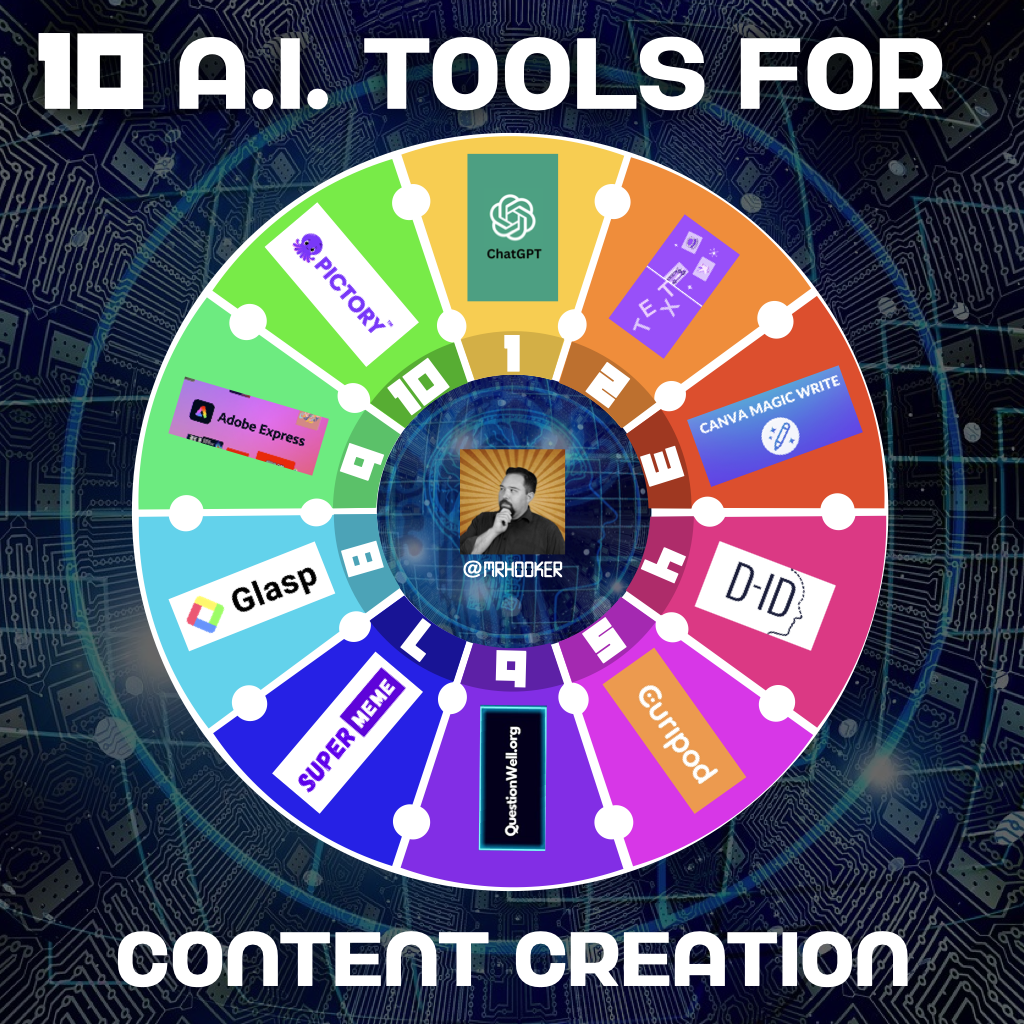
Finally, ChatGPT remains a foundational tool. It's incredibly versatile and can be used for everything from brainstorming ideas to outlining posts to rewriting existing content. It’s a great starting point for anyone new to AI content creation, and the free version is surprisingly powerful.
AI Content Creation Tools Comparison - 2024
| Price (Starting From) | Best For | Key Features | Content Types Supported | Ease of Use (1-5 Scale) |
|---|---|---|---|---|
| $49/month | Marketing Teams, Versatile Content | Long-form Assistant, Brand Voice, Content Recipes, SEO Mode | Blog Posts, Articles, Social Media, Ad Copy, Website Copy | 3.5 |
| $49/month | Marketing Workflows, Automation | Workflow Templates, Brand Voice, Collaboration Tools, Chat | Social Media Captions, Website Copy, Email Marketing, Product Descriptions | 4 |
| $49/month | SEO Writers, Affiliate Marketers | SEO Optimization, Keyword Integration, Long-Form Content, Article Rewriter | Blog Posts, Articles, Product Reviews, SEO Content | 4.5 |
| $49/month | Complete Blog Posts, Automation | Full Article Generation, SEO Optimization, Image Suggestions, Fact Checking | Blog Posts, Articles (Long-Form) | 4.0 |
| $20/month (ChatGPT Plus) | General Purpose, Idea Generation | Chat Interface, Text Completion, Code Generation, Translation | Blog Posts, Articles, Scripts, Emails, Creative Writing | 3 |
| $39/month | Long-Form Content, Research | AI Article Writer, SEO tools, Plagiarism Checker, Content Improver | Blog Posts, Articles, Essays, Reports | 4 |
Data sourced from AI research — verify before making decisions
Beyond the Words: AI for Visuals, SEO, and More
Successful blogging in 2024 isn’t just about the words on the page. It’s about creating a multi-media experience that engages your audience. That's where AI tools beyond writing assistants come into play. Don't underestimate the power of a visually appealing blog.
AI image generators like DALL-E 3 and Midjourney are revolutionizing content creation. You can create unique, custom images to illustrate your blog posts, even if you have no design skills. Be aware that these tools aren’t free – DALL-E 3 requires credits, and Midjourney operates on a subscription basis. The cost can add up, so use them strategically.
SEO is still crucial, and AI can help you optimize your content for search engines. Tools like Surfer SEO and Semrush now incorporate AI features that can analyze your content and suggest improvements. These tools can help you identify relevant keywords, optimize your headings, and improve your overall SEO score.
Even podcasting and video creation are becoming more accessible with AI. There are tools that can automatically generate transcripts, create video scripts, and even create short-form videos from your blog posts. These are still relatively new technologies, but they have the potential to significantly streamline your content creation process. It’s worth noting these tools aren’t a replacement for thoughtful content planning.
- DALL-E 3
- Midjourney
- Surfer SEO
- Semrush
AI Tools for Bloggers in 2024
- Jasper AI - A versatile AI writing assistant excellent for diverse marketing content, from blog posts to social media copy. It's particularly useful for teams needing scalable content creation. Learn More
- Copy.ai - Focused on streamlining go-to-market strategies, Copy.ai automates marketing workflows and helps generate high-converting copy for various platforms. Learn More
- KoalaWriter - Designed with SEO and affiliate marketers in mind, KoalaWriter specializes in long-form, SEO-optimized content. It aims to create articles that rank well in search results. Learn More
- eesel AI Blog Writer - This tool focuses on generating complete, publish-ready blog posts with minimal editing required. It’s a good option for quickly populating your blog with content. Learn More
- Descript - More than just a transcription service, Descript is a powerful audio and video editing tool powered by AI. Perfect for bloggers who create podcasts or video content, it allows editing by simply editing the transcript. Free plan available. Learn More
- Murf.AI - An AI voice generator that allows you to create realistic voiceovers for videos and podcasts from text. Useful for bloggers who want to add professional narration without recording themselves. Learn More
- Scalenut - An AI-powered SEO and content marketing platform. Scalenut helps with keyword research, content planning, and writing long-form content optimized for search engines. Learn More
Free AI Tools: Starting Your AI Blogging Journey Without Breaking the Bank
You don't need to spend a fortune to start experimenting with AI. There are plenty of free options available, especially if you’re just getting started. The barrier to entry is surprisingly low.
ChatGPT, in its free version, is an excellent starting point. You can use it for brainstorming, outlining, and even writing entire blog posts. While the paid version offers more features and faster response times, the free version is still incredibly powerful. Many bloggers are using it daily.
There’s also a growing number of “100% free” AI humanizer tools available online, often without ads or paywalls. These tools are designed to rewrite AI-generated content to make it sound more natural and human-like. They’re not perfect, but they can be a useful addition to your workflow.
Be realistic about the limitations of free tools. They often have usage limits, slower processing times, and fewer features than paid options. But they’re a great way to dip your toes in the water and see what AI can do for your blog.
AI Tools for Bloggers (2024)
- Jasper AI - A powerful AI writing assistant excellent for diverse marketing content. It’s a paid tool, but offers a free trial. Ideal for teams needing versatile content generation. Learn More
- Copy.ai - Focuses on automating marketing workflows, making it great for crafting compelling ad copy, social media posts, and blog introductions. Offers a free plan with limited credits. Learn More
- KoalaWriter - Tailored for SEO writers and affiliate marketers, KoalaWriter helps generate long-form, SEO-optimized content. It’s a paid tool, but designed to improve search rankings. Learn More
- eesel AI Blog Writer - Generates complete, publish-ready blog posts from a single prompt. A good option for quickly creating full articles. Learn More
- Canva Magic Write - Integrated within the popular graphic design platform, Canva's Magic Write assists with writing tasks like blog post outlines, captions, and more. Offers a free version with limitations. Part of Canva Pro. Learn More
- Google Gemini - Formerly known as Bard, Gemini is Google's conversational AI. Useful for brainstorming blog topics, creating outlines, and even drafting sections of content. It’s free to use with a Google account. Learn More
- Grammarly - While not strictly *content creation*, Grammarly is essential for refining AI-generated text. It checks grammar, spelling, punctuation, and style, ensuring a polished final product. Offers a free version. Learn More
Integrating AI into Your Existing Workflow: A Step-by-Step Guide
Okay, so you’ve chosen some AI tools. Now what? The key is to integrate them into your existing blogging workflow, rather than trying to overhaul your entire process. Think of AI as a helpful assistant, not a replacement for your creativity and expertise.
Start with keyword research. Use AI-powered tools to identify relevant keywords and topics that your audience is interested in. Then, use ChatGPT to brainstorm 10-15 headline variations for your post. This will save you a lot of time and ensure you’re starting with strong, attention-grabbing headlines.
Next, create an outline. Again, ChatGPT can be incredibly helpful here. Provide it with your target keyword and a brief description of your post, and ask it to generate a detailed outline. You can then refine the outline to match your specific needs and expertise.
Now it’s time to write. Use an AI writing assistant like Jasper or Copy.ai to generate a first draft of your post. Don’t be afraid to experiment with different prompts and writing styles. Remember, the AI-generated content is just a starting point.
Finally, edit and refine. This is the most important step. Carefully review the AI-generated content, fact-check all information, and add your own unique voice and perspective. Ensure the content is accurate, engaging, and optimized for your target audience. Don't just copy and paste.
Avoiding the Pitfalls: AI Content Quality and Authenticity
Let’s be honest: AI-generated content isn’t always perfect. It can be generic, repetitive, or even inaccurate. The biggest risk is producing content that lacks a unique voice and fails to connect with your audience. That's why human oversight is essential.
Always fact-check everything. AI models can sometimes hallucinate information or present outdated data as fact. Don’t rely on AI as your sole source of truth. Double-check all claims and statistics before publishing.
Plagiarism is another concern. While AI tools are designed to generate original content, there’s always a risk of unintentional plagiarism. Use a reputable plagiarism checker (like Copyscape or Grammarly) to ensure your content is unique. It’s better to be safe than sorry.
Ultimately, AI can create content, but it can't create good content without human input. Your unique voice, expertise, and perspective are what will set your blog apart from the competition. Don’t let AI diminish those qualities.
- Fact-check all information
- Use a plagiarism checker
- Add your unique voice and perspective
The Future of Blogging with AI: What to Expect Next
The AI landscape is evolving at an incredible pace. What we see today is just the beginning. Over the next few years, expect to see AI tools become even more sophisticated and integrated into our blogging workflows.
I anticipate more personalized content creation. AI will be able to analyze your audience's preferences and generate content tailored to their specific interests. This will lead to higher engagement and better results.
The quality of AI writing will continue to improve. AI models will become better at understanding nuance, context, and tone, resulting in more natural and engaging content. However, I don’t believe AI will completely replace human writers anytime soon. The need for creativity, critical thinking, and emotional intelligence will remain.
We’ll also see increased integration of AI into platforms like WordPress. Expect to see AI-powered features built directly into the WordPress editor, making it even easier to create and optimize your content. The key is to stay adaptable and embrace the opportunities that AI presents. It's not about fearing the change, but learning how to leverage it.
C3.ai Inc Price Prediction 2026
Bull / Base / Bear scenario analysis
| Timeframe | Bull Case | Base Case | Bear Case | Key Driver |
|---|---|---|---|---|
| 1 Month | $29.75 | $26.80 | $22.40 | Q3 earnings results and enterprise AI adoption momentum |
| 3 Months | $34.50 | $28.90 | $20.75 | Federal AI policy developments and enterprise contract announcements |
| 6 Months | $42.25 | $31.75 | $18.60 | Revenue growth trajectory and competitive positioning in enterprise AI |
| 1 Year | $55.80 | $36.40 | $16.25 | Path to profitability and market share in enterprise AI applications |
Price Prediction Summary
C3.ai faces a critical inflection point in 2026 as enterprise AI adoption accelerates. While the company's specialized focus on enterprise AI applications positions it well for growth, execution on profitability and competition from tech giants remain key challenges.
Key Factors Affecting C3.ai Inc Stock Price
- Enterprise AI adoption rates and customer retention
- Competition from Microsoft, Google, and other AI platform providers
- Progress toward profitability and cash flow generation
- Federal AI regulations and enterprise compliance requirements
Disclaimer: Predictions are speculative and not financial advice. Stock price predictions are based on current market analysis and may vary significantly due to market volatility, economic conditions, and other unpredictable factors. Always do your own research before making investment decisions.




No comments yet. Be the first to share your thoughts!