
What you need before you start
Blogging in 2026 requires more than just a WordPress account. The landscape has shifted toward niche authority and visual storytelling, especially in lifestyle, beauty, and fashion. Before you write your first post, ensure you have the right foundation to stand on.
1. A Defined Niche and Audience
General lifestyle blogs struggle to gain traction. You need a specific angle, such as "sustainable fashion for small budgets" or "skincare for sensitive skin." Define your target reader clearly. This focus helps you create content that ranks and converts.
2. A Reliable Platform and Hosting
Choose a platform that supports SEO and visual content. WordPress.org is the standard for flexibility. Pair it with fast, reliable hosting. Your site speed affects your search rankings and reader retention. Avoid free platforms if you plan to monetize.
3. High-Quality Visual Assets
Beauty and fashion are visual industries. You need a camera or smartphone with a good lens. Learn basic lighting techniques. Natural light is your best friend. Plan your shoots in advance. Consistent, high-quality images build trust and keep readers engaged.

4. A Content Calendar
Consistency is key. Plan your topics weeks in advance. Use a spreadsheet or a content calendar tool. Mix evergreen posts with trending topics. This ensures you always have something to publish, even when inspiration is low.
5. Basic SEO Knowledge
Understand how search engines work. Learn to use keywords naturally. Optimize your titles, meta descriptions, and image alt text. This helps your content get found by readers who are actively searching for your niche.
Once you have these elements in place, you're ready to start creating content that resonates with your audience and grows your blog.
Build the outfit
Your blog is a visual platform first. Readers judge your credibility within seconds of landing on a post. If the imagery feels disjointed, amateurish, or irrelevant, they leave. Building a cohesive visual identity isn't about hiring a designer; it's about establishing a consistent aesthetic that reinforces your brand voice.
Start by defining a color palette that matches your niche. If you write about beauty, use soft, skin-toned palettes or bold, editorial colors. For lifestyle, lean toward natural light and earthy tones. Stick to three to five core colors and use them across your headers, buttons, and featured images. This creates a subconscious recognition for your readers.
Next, standardize your photography style. Whether you shoot with a DSLR or a smartphone, the lighting and editing should look uniform. Use the same preset or filter for all product shots and flat lays. Consistency in texture, background, and angle makes your archive look professional and intentional. Avoid mixing harsh flash photography with soft, natural light in the same post.
Finally, invest in high-quality assets. Low-resolution images pixelate on modern screens and hurt your SEO. Use original photos whenever possible to avoid copyright issues and stand out. If you use stock images, choose unique, candid shots over generic office handshakes or smiling models. The goal is to create an environment where the content feels premium and trustworthy.
Choose 3-5 colors that reflect your niche. Use a tool like Coolors.co to generate harmonious schemes. Apply these colors to your site's header, footer, and call-to-action buttons to create immediate brand recognition.
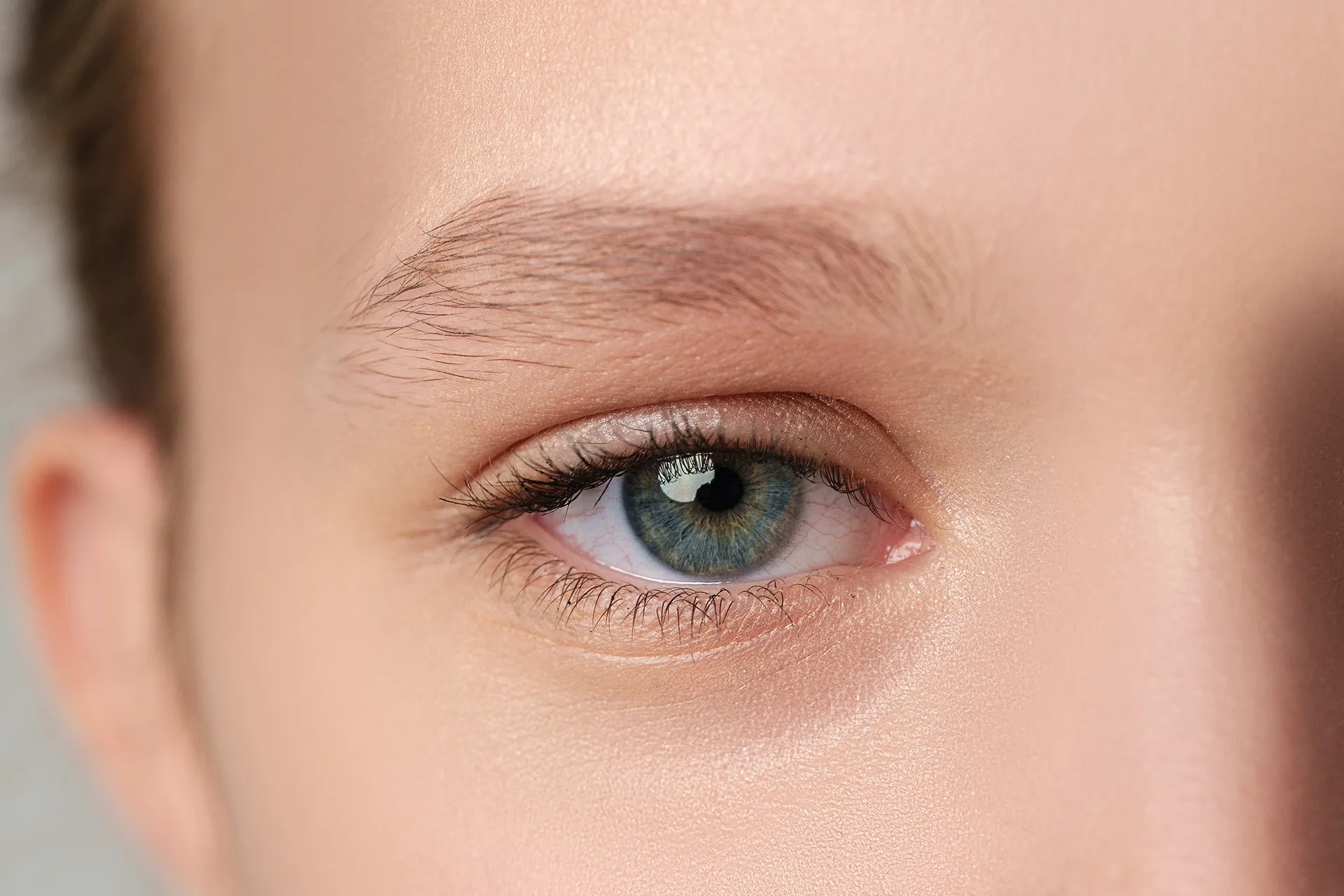
Pick one editing preset or filter and apply it to all your images. This ensures that your flat lays, product shots, and lifestyle photos feel like they belong to the same collection, even if taken at different times.

Replace low-quality stock photos with original content. If you must use stock, select unique, candid images that tell a story. Ensure every image is at least 1200px wide for optimal display on desktop and mobile devices.
Design reusable templates for quotes, tips, and key takeaways in Canva or Adobe Express. Consistent typography and layout for these elements make your posts easier to scan and more visually engaging.
-
Define 3-5 core brand colors
-
Select one editing preset for all photos
-
Audit existing images for resolution quality
-
Create reusable quote/tip templates
-
Ensure all images are under 200KB for speed
Mistakes That Flatten the Colors
Your content isn’t failing because your ideas are bad; it’s failing because your execution lacks contrast. In lifestyle, beauty, and fashion blogging, "flattened" content looks like everything else. It blends into the feed, gets scrolled past, and generates zero loyalty. The goal isn’t just to post; it’s to create visual and narrative tension that stops the thumb.
Here are the specific errors that kill engagement, and how to fix them before they hurt your growth.
1. Using Stock Photos Instead of Real Context
Nothing signals "generic" faster than a polished, smiling model holding a product against a white background. Readers scroll past these instantly because they feel like ads, not recommendations.
The Fix: Use close-up, imperfect shots. Show the texture of the fabric, the smudge of lipstick, or the messy desk where you edited the post. Authenticity beats perfection every time. If you can’t take the photo yourself, use a tool that generates realistic, non-stock imagery, but never use generic stock libraries.
2. Writing for Search Engines, Not Humans
You’ve written the perfect SEO meta description, stuffed the keyword, and structured the headers correctly. But the first paragraph is a dry definition of "sustainable fashion." No one reads that. They want to know why it matters to them right now.
The Fix: Start with a hook that speaks to a specific pain point or desire. Instead of defining terms, tell a story. "I used to buy fast fashion until I realized..." is infinitely more compelling than "Fast fashion is defined as...". Write the sentence you’d say to a friend over coffee.
3. Ignoring Visual Hierarchy
A wall of text with no breaks is a conversion killer. Even with beautiful images, if your typography and spacing are inconsistent, readers lose their place. This is especially true for beauty tutorials or fashion lookbooks where detail matters.
The Fix: Break every 2-3 sentences. Use bold text for key takeaways. Include pull quotes for shareable insights. Ensure your images are high-resolution but compressed for speed. A slow-loading page is a flat, dead page.
4. One-Size-Fits-All Posting
Posting the same content across Instagram, TikTok, Pinterest, and your blog without adaptation is a mistake. Each platform has a different language and audience expectation.
The Fix: Repurpose, don’t just repost. Turn a blog post into a carousel for Instagram, a short-form video for TikTok, and a pin for Pinterest. Tailor the headline and visual style to each platform’s native behavior.
5. Neglecting the First 3 Seconds
In a world of infinite content, you have less than three seconds to grab attention. If your headline is vague and your thumbnail is blurry, you’ve already lost.
The Fix: Test your headlines. Use numbers, specific outcomes, or strong emotions. Ensure your thumbnail has high contrast and a clear focal point. Ask yourself: "Would I click this if I saw it in my feed?"
Successful blogging: what to check next
Readers often ask if lifestyle, beauty, and fashion blogging is still a viable path in 2026. The short answer is yes, but the strategy has shifted from pure traffic volume to community trust and niche authority. Below are the most common questions about building a profitable blog right now.

No comments yet. Be the first to share your thoughts!