

1. The Importance of Authenticity in Food Blogging
The Importance of Authenticity in Food Blogging
As a food blogger, it's important to remember that your audience is looking for authenticity. They want to know that the recipes you're sharing are tried and true, and that the stories you're telling are genuine. Authenticity is what sets your blog apart from the rest, and it's what keeps your readers coming back for more.
One way to ensure authenticity in your food blogging is to stay true to your own tastes and preferences. Don't try to be someone you're not, and don't try to cater to everyone's tastes. Instead, focus on what you love and what you're passionate about. If you're an expert in authentic Mexican cooking, for example, don't be afraid to showcase that expertise. Your readers will appreciate your knowledge and your passion, and they'll be more likely to trust your recipes and recommendations.
Another way to ensure authenticity is to be transparent with your readers. Don't be afraid to share your failures and your mistakes, as well as your successes. Your readers will appreciate your honesty, and they'll be more likely to relate to you as a real person.
Finally, remember that authenticity extends beyond just your recipes and your stories. It also applies to your photography, your design, and your overall brand. Make sure that everything you share on your blog is a reflection of who you are and what you stand for.
By staying true to yourself and your passions, and by being transparent and authentic with your readers, you can create a successful and engaging food blog that stands out from the crowd.
2. Tips for Creating Engaging Food Content
2. Tips for Creating Engaging Food Content
Creating engaging food content is essential for any food blogger looking to grow their audience and establish themselves as an authority in their niche. Here are some tips to help you create content that your readers will love:
1. Tell a Story
Food is more than just sustenance; it's a cultural experience that connects us to our past, present, and future. When creating food content, don't just focus on the recipe itself. Instead, tell a story about the dish, its origins, and the memories associated with it. Your readers will appreciate the personal touch, and it will help them connect with the recipe on a deeper level.
2. Experiment with Different Formats
While traditional recipe posts are great, don't be afraid to mix things up and experiment with different formats. Consider creating how-to videos, infographics, or even podcasts. By diversifying your content, you'll attract a wider audience and keep your existing readers engaged.
3. Focus on Presentation
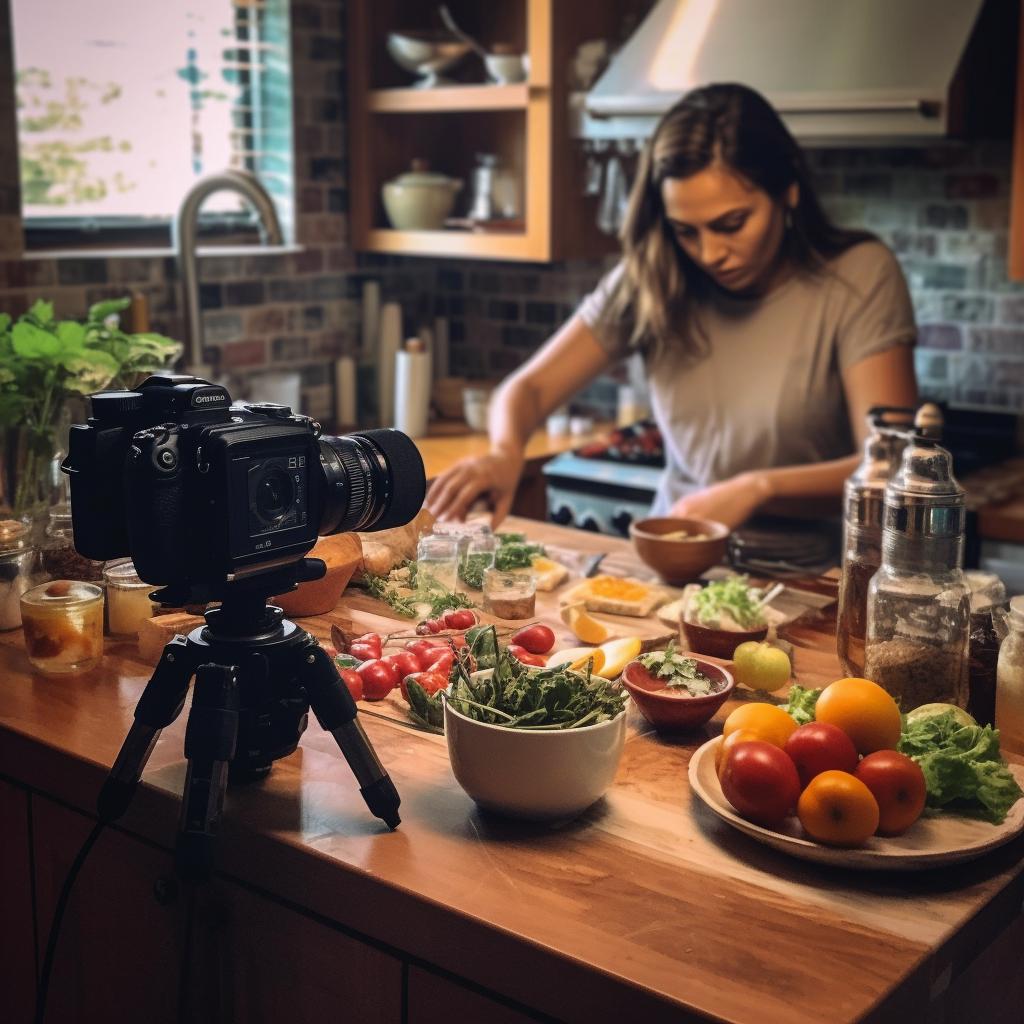
People eat with their eyes first, so it's essential to focus on presentation when creating food content. Invest in quality photography equipment and take the time to style your dishes. Use props and backgrounds that complement the dish and create a cohesive aesthetic for your blog.
4. Collaborate with Other Bloggers
Collaborating with other bloggers is a great way to expand your reach and create engaging content. Consider partnering with other food bloggers to create recipe roundups, guest posts, or even joint events. By working together, you'll be able to tap into each other's audiences and create content that's more engaging and diverse.
By considering these tips, you can create engaging food content that resonates with your audience and helps you establish yourself as a successful food blogger. Remember, authenticity is key, so stay true to yourself and your passions, and your readers will follow.
3. Techniques for Capturing Mouth-Watering Food Photography
3. Techniques for Capturing Mouth-Watering Food Photography
As a food blogger, your photography can make or break your content. After all, people eat with their eyes first, and if your photos don't look appetizing, your readers won't be interested in trying your recipes. Here are some techniques for capturing mouth-watering food photography:
1. Lighting is Key
Good lighting is essential for capturing great food photography. Natural light is the best option, so try to shoot near a window or outside during the day. Avoid harsh overhead lighting or using your camera's flash, as this can create unflattering shadows and make your food look unappetizing.
2. Styling Your Dish
Take the time to style your dish before taking photos. Use props like utensils, napkins, and tablecloths to create a cohesive aesthetic for your blog. Consider the colors of your dish and use complementary backgrounds and props to make it pop.
3. Focus on the Details
When taking photos of your dish, focus on the details. Use a shallow depth of field to create a blurred background and draw attention to the dish's main elements. Highlight textures and details like toppings, sauces, and garnishes to make your dish look more appetizing.
4. Experiment with Angles
Don't be afraid to experiment with different angles when taking photos of your dish. Try shooting from above, at a 45-degree angle, or even from below. Different angles can create different moods and perspectives, so play around and see what works best for your dish.
By using these techniques, you can capture mouth-watering food photography that will make your readers hungry for more. Remember to stay true to your authentic style and niche, and your food blog will continue to grow and thrive.
4. Secrets to Growing Your Food Blog Audience
4. Secrets to Growing Your Food Blog Audience
Creating authentic and engaging content is only half the battle when it comes to successful food blogging. The other half is growing your audience and getting your content in front of the right people. Here are some secrets to growing your food blog audience:
1. Utilize Social Media
Social media is a powerful tool for promoting your blog and reaching a wider audience. Share your blog posts on platforms like Instagram, Facebook, and Twitter, and engage with your followers by responding to comments and messages. Use relevant hashtags to increase your visibility and attract new followers.
2. Collaborate with Other Bloggers
Collaborating with other bloggers in your niche can help you reach a new audience and gain credibility in the blogging community. Consider guest posting on other blogs or collaborating on a recipe or project with another blogger.
3. Offer Value to Your Readers
Offering value to your readers is key to building a loyal audience. Consider creating free resources like e-books or meal plans, or hosting giveaways and contests to keep your readers engaged and coming back for more.
4. Optimize Your Blog for SEO
Optimizing your blog for SEO (search engine optimization) can help you rank higher in search engine results and attract more organic traffic to your blog. Use relevant keywords in your blog post titles and throughout your content, and make sure your blog is mobile-friendly and easy to navigate.
By implementing these secrets, you can grow your food blog audience and take your blogging to the next level. Remember to stay true to your authentic style and niche, and your audience will continue to grow organically.
5. Niche SEO Strategies for Your Authentic Mexican Cooking Blog
5. Niche SEO Strategies for Your Authentic Mexican Cooking Blog
As a food blogger, it's important to optimize your blog for SEO to attract more organic traffic and grow your audience. However, when it comes to an authentic Mexican cooking blog, there are some niche SEO strategies that can help you stand out from the crowd.
First and foremost, it's important to use relevant keywords throughout your blog posts. This includes not only general food-related keywords but also specific Mexican cuisine-related keywords. For example, if you're sharing a recipe for authentic Mexican tacos, be sure to include keywords like "tacos al pastor" or "carne asada tacos" to help your post rank higher in search engine results.
Another important strategy is to include traditional Mexican ingredients and cooking techniques in your posts. This not only adds authenticity to your content but also helps your blog rank higher in search engine results for Mexican cuisine-related searches.
In addition, consider partnering with other Mexican food bloggers or influencers to collaborate on recipes or projects. This can help you reach a wider audience and gain credibility in the Mexican food blogging community.
Finally, don't forget to use social media to promote your blog and engage with your audience. Share your blog posts on platforms like Instagram and Twitter, and use relevant hashtags to attract new followers and increase your visibility.
By implementing these niche SEO strategies, you can take your authentic Mexican cooking blog to the next level and attract a loyal audience of foodies who share your passion for Mexican cuisine.


No comments yet. Be the first to share your thoughts!